
 close

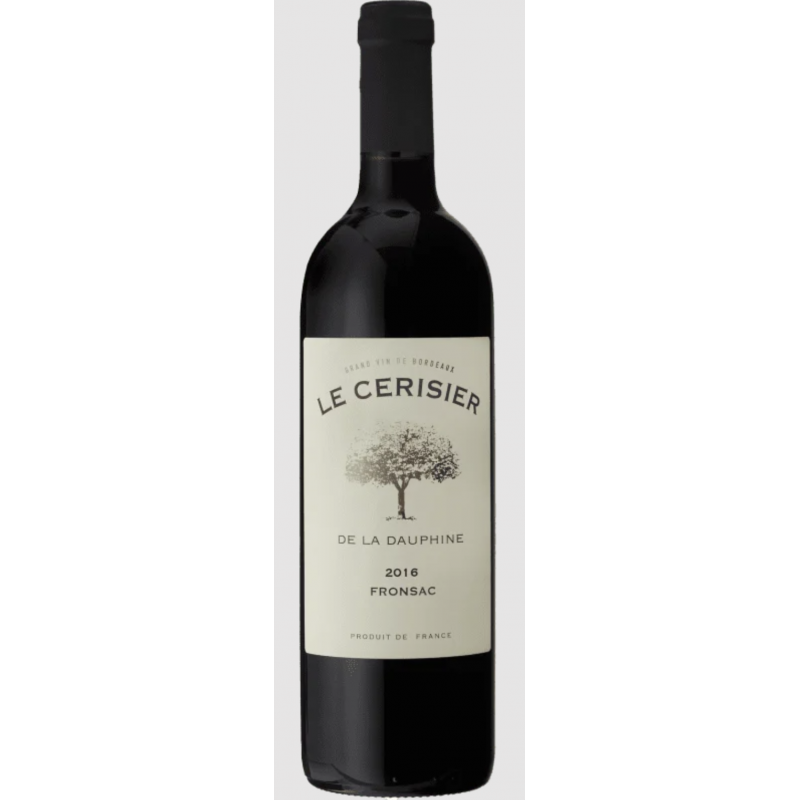
Cerisier de la Dauphine 2016 is a red Fronsac from Château La Dauphine, an organic and biodynamic estate in Fronsac, blended from Merlot and Cabernet Franc. The château’s style emphasizes elegance, balance, and proportion rather than power, grown on plateaus of asterian limestone and molasse in the Fronsac region. A Right Bank Bordeaux, ready to drink now.
Cerisier de la Dauphine 2016 embodies the style of Château La Dauphine: a Fronsac that prioritizes balance and elegance over power, with ripe black fruit, notes of licorice and spices, fine tannins, and a fresh finish. Merlot and Cabernet Franc combine to create a round, silky wine that is now at its peak.
Château La Dauphine cultivates its vineyards on the well-exposed slopes and plateaus of Fronsac, on soils composed of asterian limestone and Fronsadais molasse. The vineyard is planted predominantly with Merlot, complemented by Cabernet Franc. Fronsac, on the outskirts of Pomerol and Saint-Émilion, produces some of the most captivating right-bank reds in Bordeaux.
Château La Dauphine is managed using organic farming methods—certified since the 2015 vintage—and practices biodynamics. The grapes are harvested by hand, and winemaking takes place in a modern winery designed to respect the fruit.
Enjoy now, decanted, at around 16–18 °C. It pairs well with grilled red meat, roast lamb, duck, or aged cheese.
The château, built between 1744 and 1750, owes its name to a visit by the Dauphine of France, wife of Louis XV’s son. Today, this family-owned estate in Fronsac—certified organic and farmed biodynamically—is among the appellation’s leading names. Discover also our organic Bordeaux wines, the Château Grand Corbin Despagne and the Château Canon la Gaffelière.
Where is Château La Dauphine located? In Fronsac, on the right bank of Bordeaux, near Libourne.
What grape varieties are used? Merlot and Cabernet Franc.
Is Château La Dauphine organic? Yes, it is certified organic and cultivated using biodynamic methods.
When should it be enjoyed? Right now: the 2016 vintage is ready to drink.
Data sheet
Merlot - Cabernet Franc
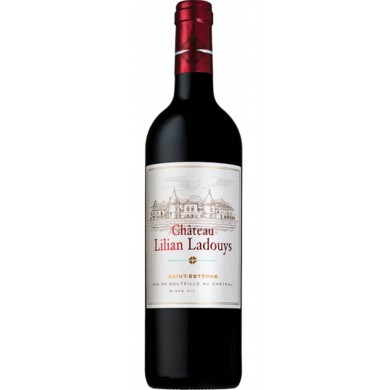
Chateau Lilian-Ladouys is a superb Saint-Estèphe, with a beautiful gourmand character. It reveals a greedy, crisp structure made of ripe tannins, but also a very refined woodiness that blends perfectly into an explosion of fruity flavors on the palate. Fresh and elegant in this vintage, this Saint-Estèphe is worthy of the appellation's greatest references. The château has just begun its organic conversion in 2020.
Close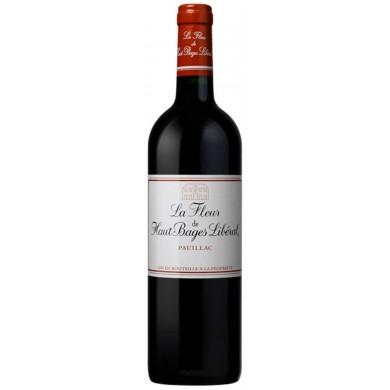
The Fleur de Haut Bages is the second wine of Château Haut Bages Libéral in Pauillac. This red wine proves to be both tender and beautifully complex: it will seduce you with its finely spiced blackcurrant aromas. It rests on velvety tannins.
Close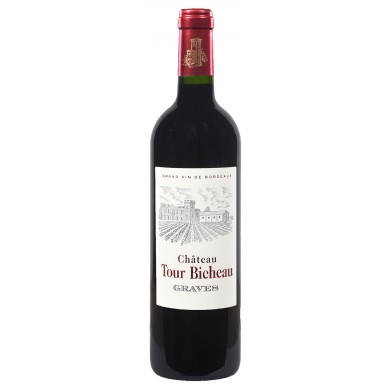
The Chateau Tour Bicheau 2022 is a very pretty organic Graves. It has a beautiful dark red color; the nose develops on notes of red fruits and spices. Round and charming on the palate, with silky tannins. A fine finish with elegant woody notes.
Close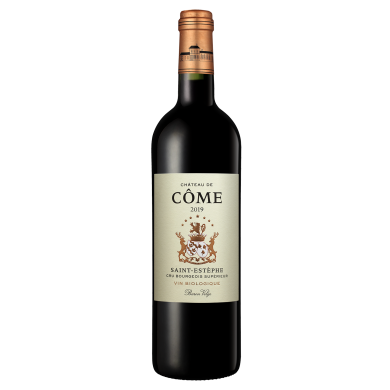
The Château de Côme 2020 is a great success. The nose reveals notes of dark berries, toasted spices, nuts and graphite. Medium- to full-bodied, with juicy tannins and a polished, silky texture. Lively, succulent fruit character. Luscious finish. Enjoy over 10 years.
James Suckling: 91 / 100
Close
Cerisier de la Dauphine 2016 is a red Fronsac from Château La Dauphine, an organic and biodynamic estate in Fronsac, blended from Merlot and Cabernet Franc. The château’s style emphasizes elegance, balance, and proportion rather than power, grown on plateaus of asterian limestone and molasse in the Fronsac region. A Right Bank Bordeaux, ready to drink now.