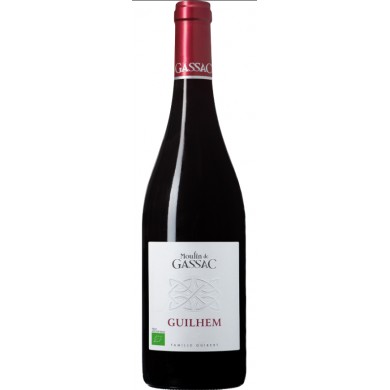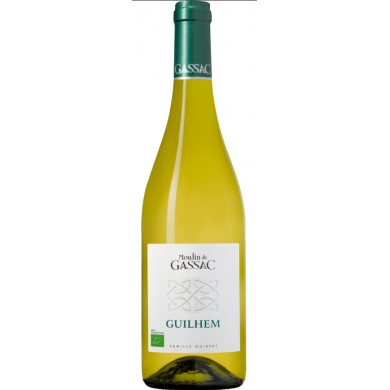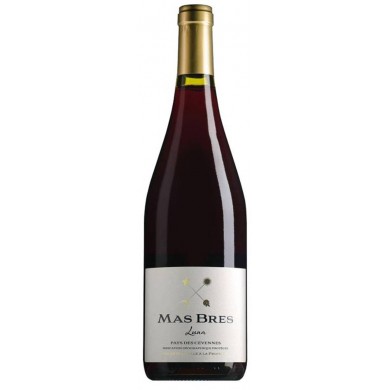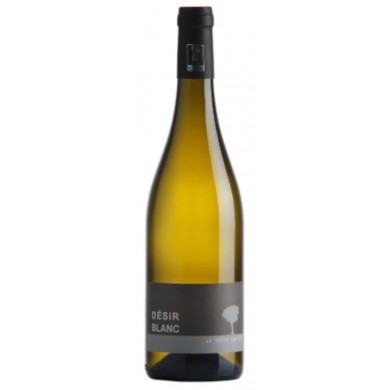

Languedoc-Roussillon

Discover our wide range of organic and natural wines from Languedoc-Roussillon

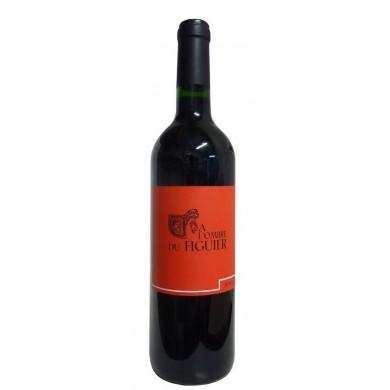
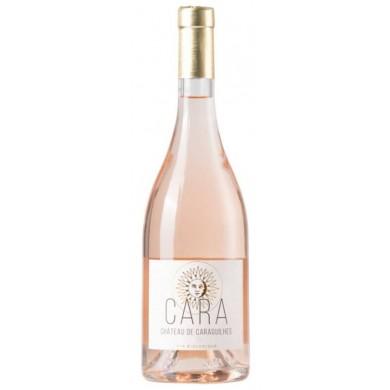
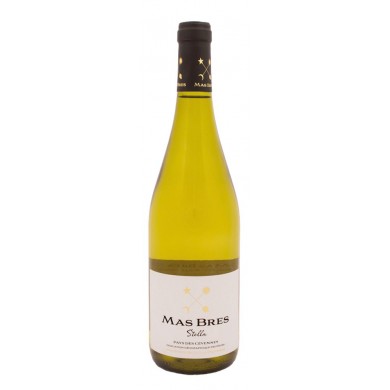
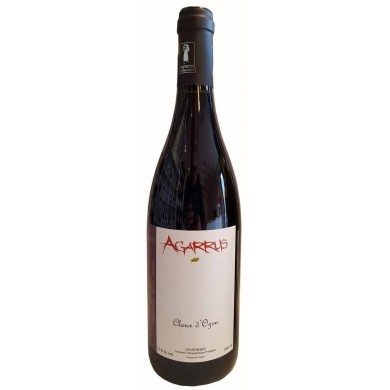
Ardoneo offers a wide selection of organic wines from Languedoc-Roussillon.

The organic wines of Languedoc-Roussillon are produced in the departments of Aude (11), Gard (30), Hérault (34) and Pyrénées-Orientales(66). The vineyards cover some 246,000 hectares classified as AOC-AOP: one of the largest in France. The most commonly used grape varieties are grenache, mourvèdre, syrah, carignan and cinsault for red wines, and bourboulenc, grenache blanc, marsanne and roussanne for white wines.

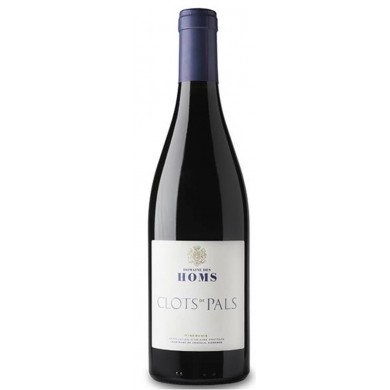
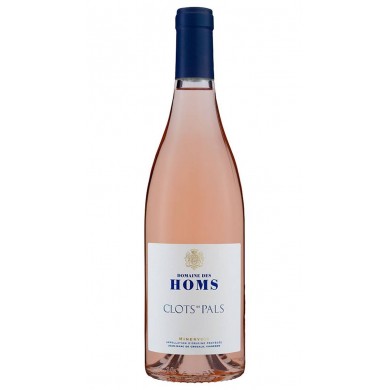
Here are some partner organic winemakers in Languedoc-Roussillon: Mas Jullien, Mas Haut-Buis, Domaine de Courbissac, Domaine d'Aupilhac, Domaine de la Réserve d'o,Le Chemin des rêves, the domaine des Homs, the Château La Baronne or the Ermitage du Pic-Saint Loup.

The Languedoc-Roussillon is one of France's largest and oldest wine-producing regions, renowned for the diversity and quality of its wines. With its sunny climate and varied terroirs, the region is particularly well-suited to organic viticulture. For several decades, many of the region's winegrowers have chosen to cultivate their vines without chemicals, producing organic wines that reflect all the richness and typicity of Languedoc and Roussillon terroirs.

Organic wines from Languedoc-Roussillon are characterized by their authenticity, aromatic purity and respect for natural balance. Organic wine lovers will find a wide variety of grape varieties and appellations in this region, from powerful reds to fresh, elegant whites, delicate rosés and naturally sweet wines. Each bottle is an invitation to discover a wine that is alive, authentic and the product of environmentally-friendly know-how.

The Languedoc-Roussillon region extends over 220,000 hectares of vineyards, covering the departments of Aude, Gard, Hérault, Pyrénées-Orientales and part of Aveyron. This vast expanse offers an incredible diversity of terroirs, enabling the production of organic wines with varied and unique profiles.

In the Languedoc region, soils are predominantly composed of schist, limestone and rolled pebbles, while Roussillon, further south, is distinguished by its granite, gneiss and clay soils. These geological features, combined with the warm, dry Mediterranean climate, create ideal conditions for organic viticulture. The generous sunshine ensures optimal ripening of the grapes, naturally limiting the risk of disease and thus reducing the need for chemical treatments.

Each sub-region has its own identity. Corbières, Minervois and Faugères, for example, are renowned for their powerful reds, while fresh, mineral white wines can be found in Limoux or Picpoul de Pinet. Thanks to this diversity, Languedoc-Roussillon's organic wines offer endless tasting possibilities, where each wine faithfully reflects its terroir and grape variety.

Today, Languedoc-Roussillon is one of the regions most committed to organic viticulture in France. Faced with a growing demand for healthier, environmentally-friendly wines, many winemakers have adopted organic and biodynamic growing methods to produce high-quality organic wines.

The region's winemakers use environmentally-friendly practices, such as natural grassing between vine rows to limit soil erosion and promote biodiversity. Chemical treatments are replaced by natural solutions, such as copper and sulfur, used in minimal quantities, or plant-based preparations to reinforce the vines' natural resistance.

In the cellar, practices are also geared towards gentler vinification, limiting interventions to preserve the wine's authenticity. Most Languedoc-Roussillon organic wines are vinified without added yeast, and the use of sulfites is minimized. This approach guarantees wines of great purity, featuring straightforward aromas, balanced structure and faithful expression of terroir.

This strong commitment to organic has made Languedoc-Roussillon a pioneer in the production of natural, living wines, with more and more estates achieving organic certification.

Organic wines from Languedoc-Roussillon are also distinguished by the variety and richness of their grape varieties, which are adapted to the region's climatic and geological conditions. In red wines, the dominant grape varieties are Grenache, Syrah, Carignan, Mourvèdre and Cinsault. These grape varieties produce powerful wines, often marked by aromas of red and black fruits, spices and garrigue, which evolve over time towards more complex notes of leather, undergrowth and licorice.

Grenache brings warmth and roundness to the wines, while Syrah adds notes of pepper and spice as well as a fine tannic structure. Carignan, an ancient grape variety often grown in goblets, produces full-bodied wines with good acidity and notes of black fruit and aromatic herbs.

For organic white wines, the main grape varieties are Grenache Blanc, Roussanne, Marsanne, Macabeu and Vermentino. They produce fresh, floral and mineral wines, with aromas of white fruits, flowers, and sometimes honey or almonds. Picpoul de Pinet, produced from the Picpoul grape, is also highly appreciated for its freshness and acidity, perfect for accompanying seafood.

Finally, Muscat is often used for vins doux naturels, notably in the Muscat de Rivesaltes appellation, bringing intense aromas of white flowers, honey and citrus. Each grape variety, in combination with organic practices, contributes to making Languedoc-Roussillon organic wines a varied and authentic range, respectful of the local winegrowing tradition.

The Languedoc-Roussillon region boasts many prestigious appellations producing high-quality organic wines, offering an impressive diversity of flavors and styles. Renowned appellations include:

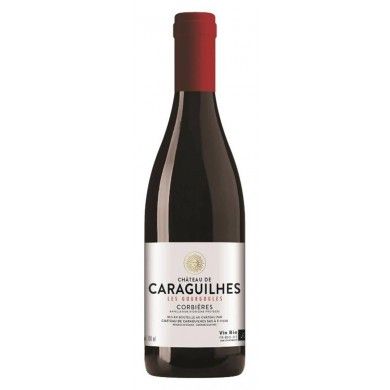
Corbières : Renowned for its intense, structured red wines, often marked by aromas of black fruit and garrigue. Organic Corbières wines are powerful, with a long finish, perfect for accompanying dishes with sauce.

Minervois : This appellation produces elegant organic wines, with lovely freshness and complex aromas of red fruit, pepper and licorice. Minervois wines are appreciated for their finesse and ageing capacity.

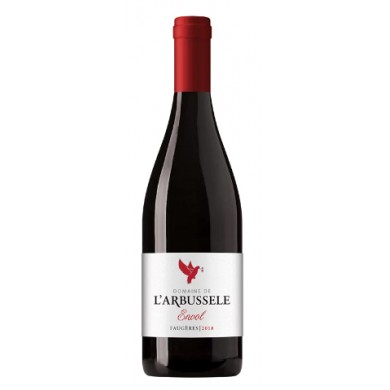
Faugères: With its schist soils, Faugères is an ideal appellation for organic wines, producing deep, mineral and aromatic reds, as well as fine whites and rosés.

Picpoul de Pinet: This appellation is dedicated to fresh, tangy white wines, perfect for accompanying seafood. Organic Picpoul de Pinet wines are distinguished by their liveliness and aromas of white flowers and citrus.

Côtes du Roussillon and Côtes du Roussillon Villages: Located further south, these appellations produce robust, warm organic wines, dominated by notes of black fruits, spices and cocoa.

These appellations, among others, demonstrate the diversity of Languedoc-Roussillon organic wines, each expressing the unique nuances of its terroir.

Choisir une appellation

Sorry for the inconvenience.

Search again what you are looking for