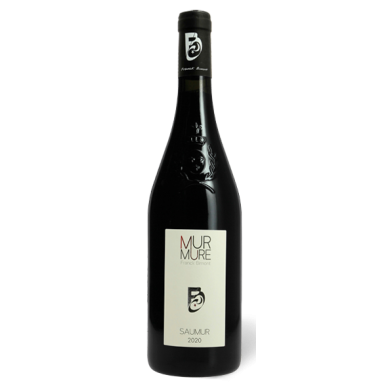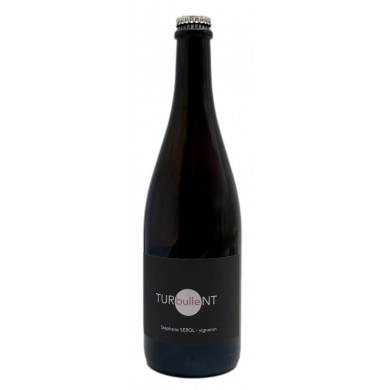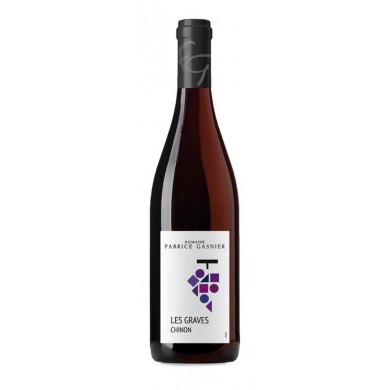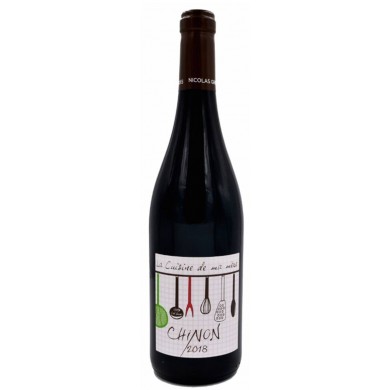


Sorry for the inconvenience.
Search again what you are looking for
The Wines of the Loire make up one of France's most extensive, diverse and exciting winegrowing regions. Stretching over more than a thousand kilometers along the Loire River and its tributaries, the Loire vineyards traverse a multitude of landscapes, climates and terroirs, offering an unrivalled wealth of expression. From ultra-pure whites to elegant, digestible reds, from refined effervescents to world-renowned sweet and syrupy wines, Loire wines embody a vision of wine based on freshness, balance and the sincere expression of terroir.
.
The history of Loire wines is intimately linked to that of the river, the true backbone of the vineyard. From ancient times, vines were planted on its banks, encouraged by trade and fertile soils. In the Middle Ages, abbeys and large seigneuries played a decisive role in the development of vineyards, structuring terroirs and refining cultivation practices. During the Renaissance, Loire wines found their place on royal tables, notably thanks to the proximity of the Loire castles, reinforcing their prestige and diffusion.
.
The vineyards of the Loire wines are distinguished by their exceptional geographical diversity. It stretches from volcanic Auvergne to the Atlantic Ocean, crossing areas with varied climatic influences. To the east, the continental climate favors taut, structured wines, while to the west, the oceanic influence brings softness and roundness. Between these two poles, the temperate Loire climate allows gradual ripening of the grapes, essential to the balance and finesse of the wines.
The terroirs of Loire wines are remarkably complex. Limestone, tuffeau, schist, gravel, sand, clay and volcanic rock follow one another, sometimes over short distances, giving rise to a mosaic of soils unique in France. This geological diversity explains the wide variety of styles and aromatic profiles found in Loire wines. The same grape variety can express radically different faces here depending on its location, reinforcing the notion of vin de lieu.
Varieties play a central role in the identity of Loire wines. Chenin Blanc is undoubtedly the noblest and most versatile emblem. Capable of producing dry, taut, mineral wines, as well as exceptionally long-lasting sweet and syrupy ones, it alone embodies the richness of the Loire. Sauvignon Blanc, particularly in the Centre-Loire region, produces precise, aromatic, chiselled wines that are recognized the world over. Melon de Bourgogne, a mainstay of Muscadet, expresses the maritime freshness and salinity of terroirs close to the Atlantic.
The red grape varieties of Loire wines favor elegance and digestibility. Cabernet Franc plays a major role, particularly in Anjou, Saumur and Touraine. It gives rise to wines with aromas of red fruit, ripe bell pepper and spices, supported by a fine structure and freshness. Gamay, present in certain areas, brings suppleness and gourmandise, while Pinot Noir, more discreet but remarkable in the Centre-Loire region, offers fine, delicate expressions.
Loire wines also stand out for the important place they occupy in the organic, biodynamic and natural wine dynamic. For several decades now, many winegrowers have opted for environmentally-friendly viticulture, convinced that the vitality of the soil and the balance of the vines are essential to the expression of the terroir. Today, the Loire is one of France's most committed regions to organic farming, with a growing proportion of estates certified or in conversion.
This respectful approach continues in the cellar with low-intervention vinifications. Indigenous yeasts are widely used, inputs limited, and ageing adapted to each cuvée to preserve the purity of the fruit and the legibility of the soil. This philosophy contributes to the contemporary identity of Loire wines, recognized for their sincerity and ability to faithfully reflect their origins.
Dry white wines represent a major part of the production of Loire wines. They seduce with their freshness, tension and aromatic precision. Whether made from Chenin Blanc, Sauvignon Blanc or Melon de Bourgogne, they offer profiles equally suited to aperitifs and gastronomy. Their natural acidity and minerality make them sought-after wines for their ability to accompany a wide variety of dishes.
Sparkling wines also occupy an important place in the Loire Valley identity. Made using the traditional method, they are distinguished by their fine bubbles and freshness. These wines are an elegant alternative to France's great sparkling appellations, offering an excellent ratio between quality and expression of terroir.
The sweet and syrupy wines of the vins de Loire are among the world's greatest sweet wines. Produced mainly from Chenin Blanc, they benefit from special climatic conditions favoring the development of noble rot. Their aromatic richness, balance between sugar and acidity and exceptional ageing potential make them meditation wines sought after by connoisseurs and collectors alike.
The red wines of the vins de Loire seduce with their drinkability and natural elegance. Far from powerful, concentrated models, they favor finesse, freshness and legibility of fruit. This approach makes them particularly suited to contemporary gastronomy, where balance takes precedence over a show of force.
Food and wine pairings with Loire wines illustrate their great versatility. Dry whites go well with fish, seafood, goat's cheese and vegetable dishes. The reds go harmoniously with white meats, poultry, charcuterie and simmered dishes. Mellow and syrupy wines sublimate blue-veined cheeses, desserts and certain spicy cuisines.
.
Discover our selection of organic Loire wines with the domaine François Chidaine, the domaine de la Taille aux Loups, the domaine Antoine Sanzay but also the domaine Sérol or the Chateau Yvonne.
Choisir un domaine
Search again what you are looking for