

Rhône Valley

The wines of the Rhône Valley make up one of France's most emblematic and diverse winegrowing regions. Stretching from north of Lyon to the gateway to Provence, this linear vineyard follows the course of the Rhône and is distinguished by an extraordinary variety of terroirs, climates and wine styles. Today, this richness finds a particular echo in the development of organic viticulture, which is gradually establishing itself as a structuring axis of the contemporary identity of Rhone wines.

The Rhône Valley is traditionally divided into two main areas, the Northern Rhône and the Southern Rhône, each with distinct geological and climatic characteristics. In the north, steep hillsides rest on granite and schist soils, exposed to a temperate continental climate. These conditions favor precision viticulture, often manual, where close observation of the vines is essential. The organic viticulture in the Northern Rhône fits naturally into this artisanal approach, reinforcing the mineral expression and tension of the wines.

The red wines of the Northern Rhône, dominated by Syrah, benefit fully from organic practices. The elimination of synthetic inputs and the working of the soil reveal purer expressions of the grape variety, marked by great aromatic finesse, silkier tannins and better-preserved freshness. The wines gain in precision and legibility, highlighting the subtle nuances linked to the different appellations and hillside exposures.

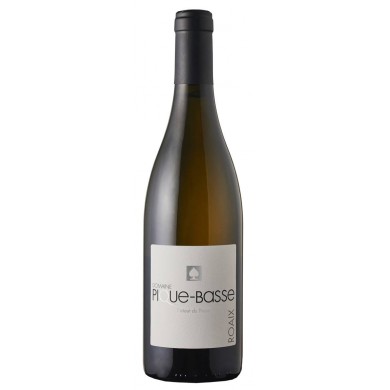
The Organic white wines of the Northern Rhône, made mainly from Marsanne and Roussanne, also find organic farming a particularly favorable terrain for expression. The vitality of the soils and controlled yields produce well-balanced grapes, giving rise to wines that are both structured and elegant, where natural richness is counterbalanced by beautiful tension. These whites gain in depth and cellaring capacity, while retaining great aromatic finesse.

.

Further south, the southern Rhône Valley stretches across landscapes of terraces, plateaus and rolled pebbles, bathed in a Mediterranean climate marked by strong sunshine and the regular presence of the mistral wind. These naturally favorable climatic conditions explain why organic viticulture in the Southern Rhône has developed in a particularly dynamic way. The mistral plays an essential role in sanitizing the vineyards, reducing disease pressure and facilitating organic vineyard management.

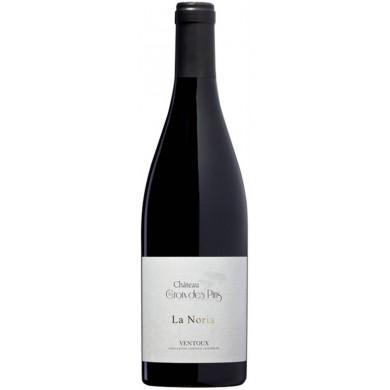
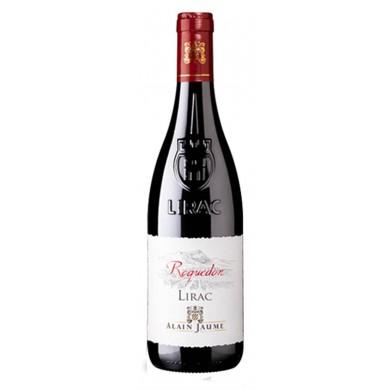
The organic red wines of the Southern Rhône, often made from blends dominated by Grenache, Syrah and Mourvèdre, stand out for their controlled generosity and balance. Organic viticulture preserves freshness and avoids over-ripening, resulting in wines that are both expressive and easy to digest. Tannins gain in finesse, and the expression of fruit appears sharper and more nuanced.

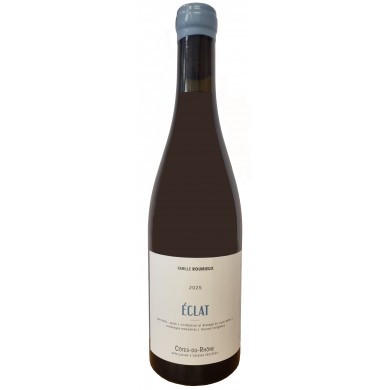
The organic white wines of the Southern Rhône, long overshadowed by the reds, are now enjoying a genuine renaissance. Made from grape varieties such as Grenache Blanc, Clairette, Roussanne or Viognier, they offer rich, luminous aromatic profiles, buoyed by a freshness preserved thanks to respectful growing practices. Organic viticulture helps reinforce their balance and capacity for expression.

The Rhône Valley is also one of France's most committed territories to biodynamics, with many pioneering estates having influenced the entire vineyard. This approach, which goes beyond organic, aims to reinforce natural balances and refine the expression of terroirs. The biodynamic wines of the Rhône Valley often stand out for their energy, depth and precision, offering a particularly sensitive reading of soils and climates.

In the cellar, producers of organic wines from the Rhône Valley generally favor respectful vinification, with measured intervention and particular attention paid to the quality of the grapes. Fermentations with indigenous yeasts, gentle extractions and adapted ageing help preserve the identity of the wines and bring out the singularity of each terroir. This approach helps to produce wines that are clearer, more balanced and more faithful to their origins.

The rise of organic viticulture in the Vallée du Rhône also responds to a profound change in consumer expectations. The latter are looking for wines that are authentic, meaningful and respectful of the environment, without compromising on quality. Rhone organic wines are fully in line with this dynamic, offering a wide range of styles, from accessible pleasure wines to cuvées with great ageing potential.

.

From a gastronomic standpoint, the organic wines of the Rhône Valley offer great versatility. Their stylistic diversity enables them to accompany a wide range of dishes, from traditional cuisines to contemporary creations. The reds blend harmoniously with grilled meats, spicy or simmered dishes, while the whites find their place alongside fish, vegetables and cheeses.

Faced with the challenges of climate change, organic viticulture is now emerging as a strategic lever for the future of Rhone Valley wines. By promoting soil resilience, vine health and the preservation of biodiversity, it enables vineyards to adapt to climate change while preserving the identity of terroirs. This sustainable vision is in line with a desire for transmission and longevity.

Thus, the wines of the Rhône Valley today embody a successful synthesis of tradition and modernity. Through the growing commitment of its winegrowers to organic and biodynamic viticulture, the region is asserting its ability to produce wines of character, sincere and respectful of their environment. This dynamic confirms the Rhône Valley as one of the great wine-growing territories of reference, where the diversity of terroirs and environmental responsibility converge towards an authentic and sustainable expression of wine.

Choisir un domaine

Sorry for the inconvenience.

Search again what you are looking for