

Sorry for the inconvenience.
Search again what you are looking for
Filter By
Label
Label
Color
Color
Degree
Degree
Apogée
Apogée
Capacity
Capacity
The wines of Languedoc-Roussillon occupy a central place in the contemporary French wine landscape. Long associated with an image of mass production, today they embody one of the most dynamic, innovative and committed territories in terms of quality and organic viticulture. Situated between the Mediterranean and the mountainous foothills, this vast vineyard in the south of France is an open-air laboratory where tradition, terroir diversity and environmental transition come together to shape wines with identity and deeply rooted in their environment.
.
The vineyards of Languedoc-Roussillon stretch across an exceptionally rich mosaic of landscapes, from coastal plains to high-altitude terraces and schist slopes. This geological and climatic diversity gives the wines a particularly wide range of styles. Mediterranean influences, marked by generous sunshine and steady winds, create conditions that are naturally favorable to organic viticulture, limiting disease pressure and promoting healthy, even ripening of the grapes.
Historically, Languedoc-Roussillon has undergone profound changes. After a period dominated by the quest for volume, by the end of the XXᵉ century the vineyard had embarked on an ambitious restructuring based on quality, the enhancement of terroirs and the expression of grape varieties. This transformation has been accompanied by a massive commitment to organic viticulture, making Languedoc-Roussillon today one of the French regions with the largest number of estates certified organic or in conversion.
The soils of Languedoc-Roussillon play a decisive role in this dynamic. Limestone, schist, rolled pebbles, sandstone and clay sometimes follow one another over short distances, offering winemakers a multitude of possibilities for expression. In organic viticulture, tilling the soil and preserving microbial life enable these complex terroirs to be revealed with precision. The vines, often deeply rooted, draw from these soils a mineral richness that translates into wines that are more balanced, fresher and more readable.
Mediterranean grape varieties, emblematic of the wines of Languedoc-Roussillon, find in organic farming an ideal terrain for expression. Grenache, Syrah, Carignan, Mourvèdre and Cinsault adapt naturally to local climatic conditions, and are highly resistant to drought. Farmed organically, they offer wines with controlled ripeness, finer tannins and more precise aromatic expression, a far cry from the over-concentrated profiles that have sometimes marked the past.
.
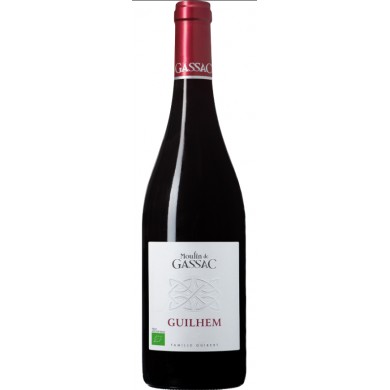
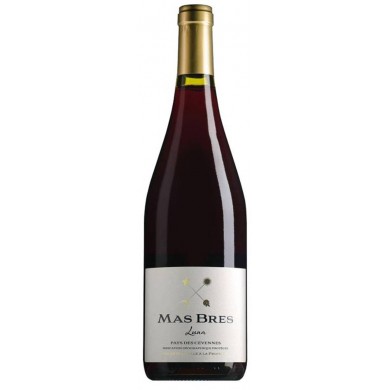
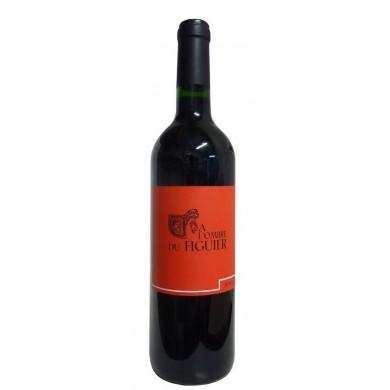
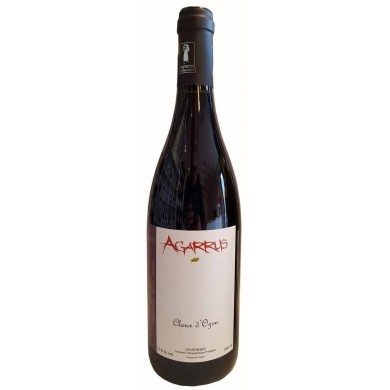
The organic red wines of Languedoc-Roussillon are distinguished by their stylistic diversity. Some favor depth and structure, while others emphasize freshness, fruit and drinkability. Carignan, long neglected, is enjoying a real revival thanks to organic farming, revealing remarkable finesse and complexity when it comes from old vines grown with respect for natural balances.
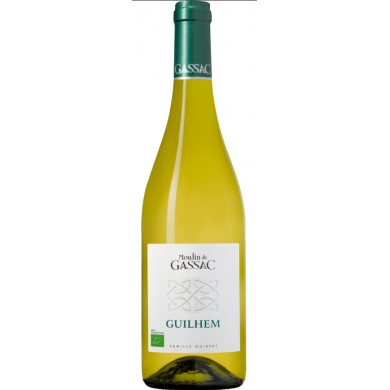
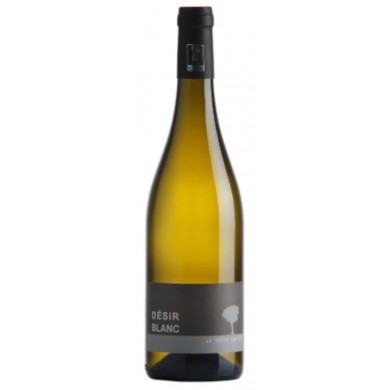
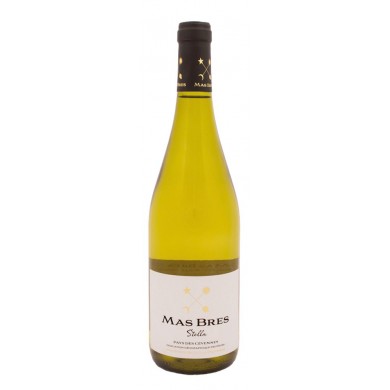
The organic white wines of Languedoc-Roussillon, more confidential but booming, seduce with their originality and tension. Made from grape varieties such as Grenache Blanc, Roussanne, Macabeu or Vermentino, they express luminous aromatic profiles, carried by a freshness preserved despite the southern climate. Organic viticulture preserves a natural acidity essential to the balance of these wines.
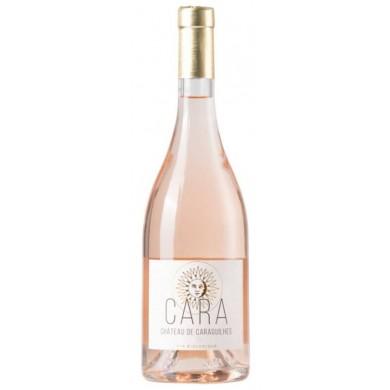
Organic rosés from Languedoc-Roussillon are also part of this quality dynamic. More gastronomic than in the past, they are gaining in precision and depth, offering serious alternatives to the more standardized rosés of other Mediterranean regions. Their expression of fruit, balance and freshness make them wines suited to a wide variety of drinking contexts.
The transition to organic in the Languedoc-Roussillon is often accompanied by a low-interventionist approach in the cellar. Vinification favors gentle extractions, the use of indigenous yeasts and measured aging, in order to respect the identity of grapes and terroirs. This philosophy results in wines that are more digestible, more sincere and better integrated, meeting the expectations of a public in search of authenticity.
The rise of organic wines from Languedoc-Roussillon also responds to a profound change in consumer expectations. They are looking for wines that are meaningful, respectful of the environment and reflect a genuine commitment on the part of the winemakers. Organic is no longer perceived as a simple marketing argument, but as a marker of quality and consistency, particularly relevant in a region historically geared towards diversity and experimentation.
On the gastronomic front, organic wines are becoming increasingly popular.
From a gastronomic standpoint, the organic wines of Languedoc-Roussillon offer remarkable versatility. Their aromatic richness, balanced structure and relative freshness enable them to accompany Mediterranean cuisine as well as more contemporary dishes. Organic reds blend harmoniously with grilled meats, spicy dishes and southern cuisines, while whites and rosés find their place alongside fish, vegetables and vegetarian dishes.
.
In the face of climate challenges, organic viticulture appears to be an essential lever for the future of wines from Languedoc-Roussillon. Working the soil, limiting inputs and enhancing biodiversity strengthen the resilience of vineyards to drought and extreme events. This sustainable approach is part of a long-term vision, in which the transmission of terroirs and the preservation of their identity become fundamental priorities.
Thus, the Languedoc-Roussillon viticole today embodies one of the most accomplished faces of the French wine revival. Through its massive commitment to organic viticulture, the enhancement of its terroirs and the creativity of its winemakers, the region is asserting its ability to produce wines of character, accessible and deeply rooted in their environment. The organic wines of Languedoc-Roussillon are now establishing themselves as essential references for understanding the contemporary evolution of French winegrowing and the successful alliance between high quality standards and environmental responsibility.
Choisir un domaine
Search again what you are looking for