

Château du Cèdre

Le Château du Cèdre in a few words

Le Château du Cèdre, located in Vire-sur-Lot, is one of the most emblematic properties in the Cahors appellation. This family estate has belonged for several generations to the Verhaeghe family, of Belgian origin, who settled in the Lot region in the 1950s. As soon as they arrived, they decided to invest in vineyards, seduced by the potential of the Lot valley terroir and the uniqueness of the region's king grape variety, Malbec. Today, brothers Pascal and Jean-Marc Verhaeghe run the estate, and have elevated Château du Cèdre to an international benchmark for lovers of deep, elegant, long-lasting Cahors wines.

.

With around 27 hectares of vines, the estate extends over a mosaic terroir where all the nuances of Malbec are expressed, complemented by a few additional grape varieties such as Merlot or Tannat. The work accomplished over more than thirty years has helped restore the appellation to its former glory, proving that Cahors can compete with the world's greatest terroirs.

.

The major asset of Château du Cèdre lies in the diversity and richness of its soils. The vineyard is planted on the three alluvial terraces of the Lot valley, as well as on the limestone scree of the hillsides. These soils of gravel, red clay and limestone give different expressions to Malbec depending on the plot, enabling the production of varied and complementary cuvées.

The climate, marked by a dual oceanic and Mediterranean influence, with hot summers but tempered by cool nights and the altitude of the hillsides, favors slow, balanced ripening of the grapes. This gives the wines a natural freshness and aromatic intensity that distinguish the great Cahors wines of Château du Cèdre. Older vines, often rooted deep in the limestone, add further complexity to the structure of the wines.

Chateau du Cèdre was an early adopter of respect for the environment. Convinced that the quality of a wine is first and foremost born in the soil and in the vines, Pascal and Jean-Marc Verhaeghe chose to convert the entire vineyard to organic farming in the late 1990s. The estate has been certified organic since 2012, but the working philosophy goes back well before this official recognition.

In the vineyards, no synthetic herbicides or pesticides are used. The soil is worked mechanically, with controlled natural grassing, which encourages biodiversity and microbial life in the soil. Treatments are limited to copper, sulfur and natural plant-based preparations. Pruning, debudding and harvesting are carried out by hand, respecting the vegetative rhythm and optimal ripeness of the grapes. This patient and rigorous approach results in concentrated, balanced and healthy berries, perfectly suited to low-intervention winemaking.

In the cellar, work follows the same logic of respect and precision. Harvested grapes are carefully sorted before vatting. Fermentations take place naturally, with indigenous yeasts, and extractions are carried out gently to preserve the finesse of the fruit. Maturing is a key stage: cuvées are aged in concrete vats, foudres or barrels, depending on their profile. New oak is used sparingly, to accompany the wine without dominating it. This mastery allows Malbec to fully express its personality, between intensity, freshness and structure.

The estate's range of wines reflects the diversity of terroirs and winemaking approaches. Each cuvée has its own identity, while bearing the common signature of Château du Cèdre: deep, elegant and precise wines.

The estate's range of wines reflects the diversity of terroirs and winemaking approaches.

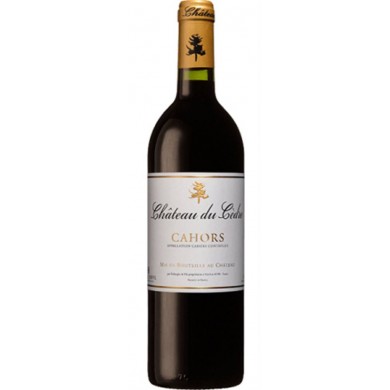
The cuvée Château du Cèdre Cahors is the benchmark wine, crafted as a synthesis of the different terroirs. It expresses the aromatic richness of Malbec with notes of black fruit, violets and licorice, supported by an ample structure and silky tannins. This is a well-balanced Cahors, accessible in its youth but endowed with fine ageing potential.

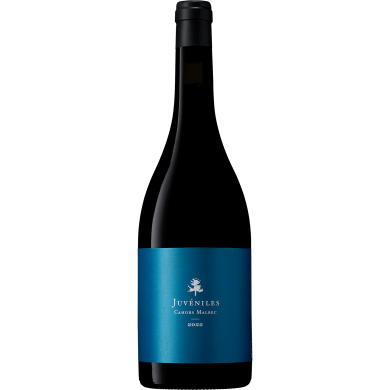
The cuvée Juveniles is intended to be more immediate and greedy. Made from younger vines, it features crisp fruit, a fresh mouthfeel and round tannins. It makes an excellent introduction to the estate's wines and to the Cahors appellation.

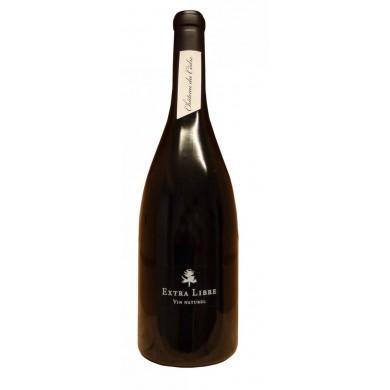
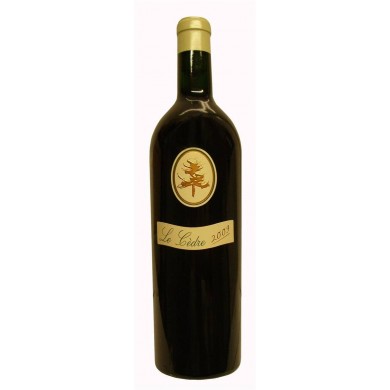
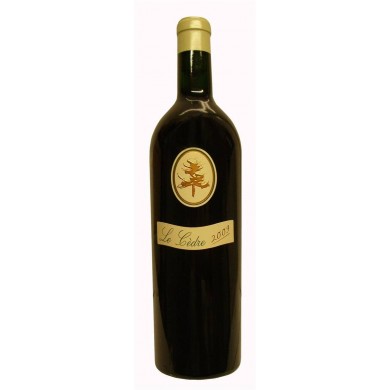
The cuvée Le Cèdre is the flagship of the estate. It comes from the best parcels of old vines and benefits from longer ageing. The wine is distinguished by its depth, density and aromatic complexity. Ripe black fruit mingles with hints of spice, cocoa and truffle, carried by an impressive yet elegant tannic structure. This is a great Cahors for laying down, capable of evolving for several decades. The cuvée Extra-Livre, for its part, is made without sulfur: a juicy, gourmet organic wine.

The estate also offers Cuvée GC, produced in very small quantities and only in great vintages. This exceptional wine is the result of extensive plot selections and benefits from ageing in new barrels. Concentrated, intense and refined, it represents the ultimate expression of Malbec in Cahors.

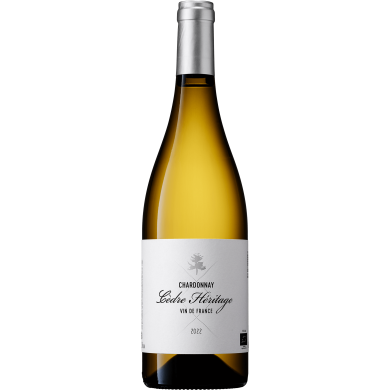
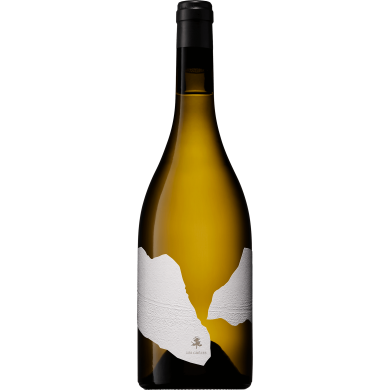
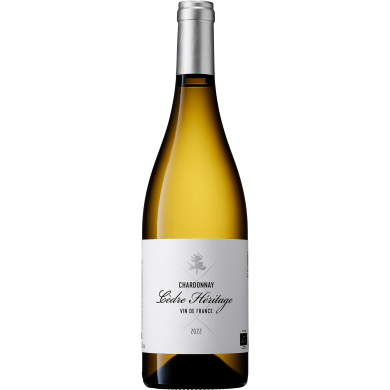
Finally, some more atypical cuvées like les Grèzes or Cèdre Blanc, made from Viognier and Chenin, show the estate's openness to original experimentation, which completes the range without ever straying from rigorous quality.

Guide des meilleurs vins de France 2024 about Château de Cèdre: "For over fifteen years, the Verhaeghe brothers, Pascal in winemaking and Jean-Marc in the vineyard, have made Le Cèdre the benchmark of the appellation. It has to be said that they benefit from an exceptional terroir: on the one hand, a cone of limestone scree that is particularly stony and constantly in motion, the famous "tran", which produces fine, elegant wines; on the other, a soil of pebbles on ferruginous sands, conferring greater power on the wines. Produced from selected, ideally ripe harvests, the cuvées, always highly colored, achieve a rare level of quality and consistency thanks to their refined tannins and velvety texture. The Extra-Libre, sulfur-free cuvées are models of success and clarity."

Discover other great organic wines from the Southwest with the Domaine Labranche-Laffond, Camin Larredya, the Domaine Elian Da Ros, the Clos Thou , the domaine Arrextea or the Château Combel la Serre.

Sorry for the inconvenience.

Search again what you are looking for