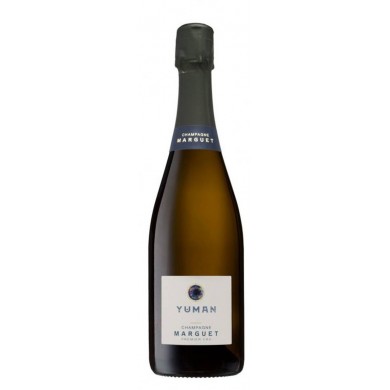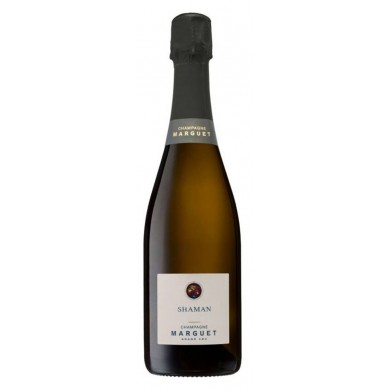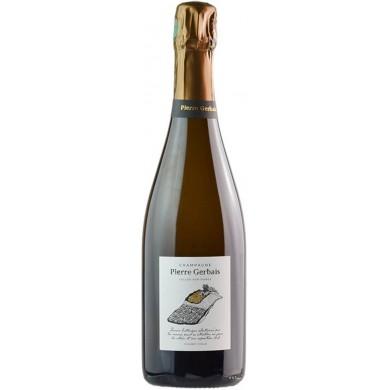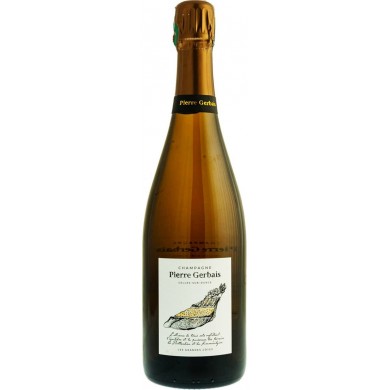


Champagne

The wines of Champagne occupy a special place in the world of wine. Symbols of celebration, excellence and expertise, they are inseparable from a region whose identity is based on extreme technical mastery and a fine understanding of terroir. Long associated with an image of unchanging tradition, Champagne is now undergoing a profound evolution in its practices, marked by growing environmental awareness and the rise of organic viticulture, which is gradually redefining the expression of Champagne's great sparkling wines.

.

Champagne's vineyards stretch across steeply sloping hillsides, mostly resting on chalky soils, emblematic of the region. This chalk, capable of storing water and gradually releasing it to the vines, plays a fundamental role in the water balance of the vines and the natural freshness of the grapes. These geological characteristics offer a particularly favorable setting for environmentally-friendly viticulture, favoring a precise, taut expression of Champagne wines, particularly in a context of transition to organic.

Champagne's northern climate imposes severe constraints on winemakers, with ripeness often limited and significant cryptogamic disease pressure. For a long time, these conditions held back the development of organic viticulture in Champagne, perceived as risky. However, the evolution of practices, increased observation of the vines and a better understanding of natural balances have enabled many producers to take the plunge, demonstrating that organic is compatible with Champagne's high quality standards.

Organic viticulture in Champagne

is one of the most widely used methods in the world.

The emblematic grape varieties of Champagne wines, Pinot Noir, Chardonnay and Meunier, react particularly sensitively to cultural practices. In organic viticulture, their expression gains in precision and legibility. Chardonnay reveals sharper tension and increased minerality, Pinot Noir offers finer structure and purer aromatic expression, while Meunier, long underestimated, finds in organic a nobler, more balanced terrain for expression.

Converting to organic in Champagne is generally accompanied by in-depth soil work, aimed at breathing new life into plots that are sometimes heavily mechanized. The development of biodiversity, the limitation of inputs and the deeper rooting of the vines result in more balanced grapes, endowed with a better integrated natural acidity. This high-quality raw material forms the indispensable basis for the elaboration of Organic Champagnes that are precise, elegant and faithful to their terroir.

In the cellar, producers committed to organic often favor more respectful vinifications, with measured use of inputs and particular attention paid to fermentations. Indigenous yeasts are increasingly used, dosages are often reduced, and prolonged aging on lees helps refine the texture and complexity of the wines. These technical choices contribute to a more authentic expression of organic Champagne wines, where freshness and balance take precedence over effect.

Organic Champagnes are frequently distinguished by their energy, precision and aromatic legibility. The bubbles are often finer, the structure more chiselled, and the finish marked by a salinity and tension characteristic of the great Champagne terroirs. Far from the sometimes standardized image associated with the big brands, these wines offer a more intimate and nuanced reading of Champagne, highlighting the diversity of villages and parcels.

The organic boom in Champagne is also responding to a shift in consumer expectations. Lovers of Champagne wines are increasingly looking for meaningful cuvées, made with respect for the environment and health. Organic Champagne is fully in line with this trend, without renouncing the high standards of quality and rigor for which the appellation is world-renowned.

.

From a gastronomic standpoint, organic Champagne wines offer remarkable versatility. Their freshness, fine bubbles and natural balance make them particularly well suited to contemporary food and wine pairings. They are an elegant accompaniment to seafood, fish and vegetable dishes, but also to more elaborate dishes, where their tension and complexity find their full place.

.

Faced with climatic and environmental challenges, organic viticulture today appears as a strategic lever for the future of Champagne wines. By strengthening the resilience of soils and the vitality of vines, it makes it possible to anticipate climate change while preserving the identity of terroirs. This approach is part of a long-term vision, in which the transmission of winegrowing heritage and sustainability become shared priorities.

Thus, Champagne winegrowing is undergoing a quiet but profound transformation. Through the growing commitment of its winegrowers to organic viticulture and more respectful practices, it is demonstrating its ability to evolve without denying its heritage. Today's organic Champagne wines embody a modern, demanding expression of the appellation, reconciling tradition, precision and environmental responsibility, and confirming Champagne's place among the world's greatest vineyards.

Choisir un domaine

Sorry for the inconvenience.

Search again what you are looking for