

Southwest

The wines of the Southwest occupy a singular place in the French wine landscape, at the crossroads of Atlantic, continental and Mediterranean influences. Long overshadowed by neighboring vineyards, this vast wine-growing region is now enjoying growing recognition, thanks to the diversity of its terroirs, the richness of its indigenous grape varieties and a strong commitment to organic viticulture. The South-West now emerges as one of the most authentic and dynamic territories in contemporary French viticulture.

.

The vineyards of the South-West extend over an extremely vast and heterogeneous territory, from the foothills of the Massif Central to the Pyrenees, via the Lot, Tarn and Garonne valleys. This geographical diversity is reflected in a multitude of soils, ranging from limestone and clay to gravel, schist and alluvial terraces. This soil richness provides an ideal setting for the expression of highly differentiated terroirs, particularly well enhanced by organic viticulture practices.

The climate of the South-West, marked by oceanic influences to the west and continental influences inland, gives South-West wines a wide variety of profiles. Regular rainfall, thermal amplitudes and varying levels of sunshine depending on the area require careful observation of the vines. In this context, organic viticulture relies on fine-tuning practices to each terroir, favoring natural balances and greater vineyard resilience.

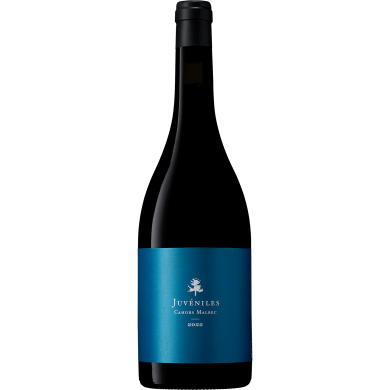
One of the strong markers of the wines of the Southwest lies in the diversity of their native grape varieties. Malbec, emblematic of Cahors, Tannat from Madiran, Négrette from Fronton, Fer Servadou from Marcillac or Gros and Petit Manseng in the more Atlantic areas constitute an ampelographic heritage unique in France. Organic viticulture reveals the full complexity and authenticity of these often demanding grape varieties, respecting their natural ripening rhythms and aromatic expression.

.

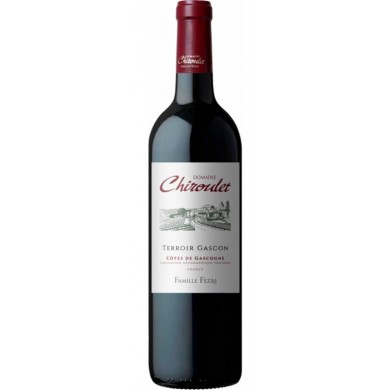
The organic red wines of the Southwest stand out for their assertive character and ageing capacity. Organic contributes to softening tannins, refining structure and preserving freshness, offering more balanced and accessible wines without forgoing their depth. Practices that respect the soil and the vines also enable better control of grape ripeness, avoiding excess power and favoring a more elegant expression.

.

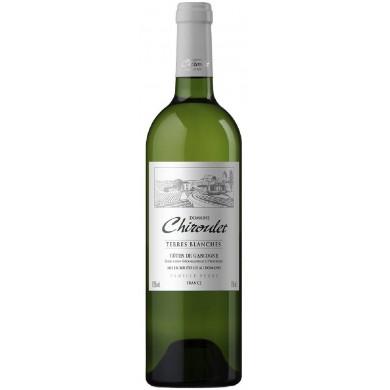
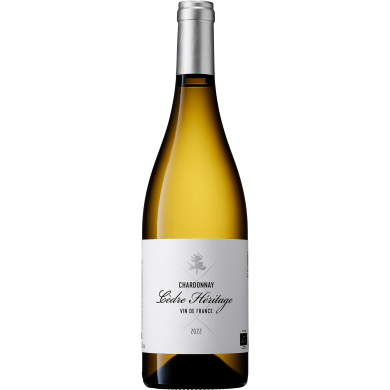
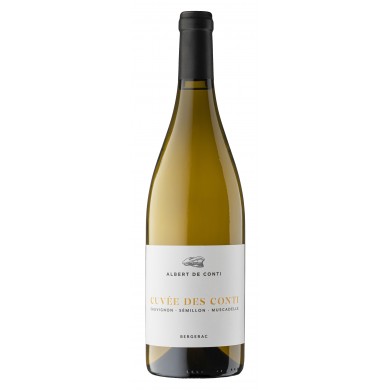
The organic white wines of the South-West, often overlooked, are one of the region's great treasures. Made from grape varieties such as Colombard, Gros Manseng, Petit Manseng or Loin de l'Œil, they offer a wide range of aromas, from taut, expressive dry wines to richer, mellower cuvées. Organic viticulture helps preserve their natural freshness and reinforce their aromatic identity, essential to the balance of these wines.

Organic sweet and syrupy wines from the South-West also occupy an important place. The specific climatic conditions in certain areas mean that grapes can be overripe or affected by noble rot, giving rise to wines of great complexity. By limiting inputs and promoting soil life, organic farming contributes to a finer, more nuanced expression of aromatic richness, avoiding heaviness and emphasizing balance.

.

The transition to organic viticulture in the South West is often part of an overall approach to respecting the environment and enhancing local heritage. Many estates work on a small scale, with strong family involvement, favoring artisanal practices and particular attention to each plot. This closeness to the vines reinforces the coherence and sincerity of the wines produced.

In the cellar, producers of organic wines from the Southwest frequently favor low-intervention winemaking. Spontaneous fermentations, controlled extractions and adapted ageing help to respect the identity of grape varieties and terroirs. These technical choices result in wines that are easier to digest, more legible and better integrated, meeting the expectations of a public in search of authenticity and controlled naturalness.

.

From a gastronomic standpoint, organic wines from the Southwest offer great versatility. Their structure, freshness and aromatic richness make them particularly suited to generous terroir cuisine, but also to more contemporary pairings. Red wines are the perfect accompaniment to grilled or simmered meats, while white wines go well with fish, poultry and cheeses, and sweet wines sublimate desserts as well as certain savory dishes.

At a time when the climate is changing, it's important to be aware of the challenges we face.

In the face of climatic and environmental challenges, organic viticulture represents an essential lever for the future of Southwestern wines. By strengthening soil health, biodiversity and vine resilience, it enables wine production to be part of a sustainable approach that respects terroirs and future generations. This approach is part of a long-term vision, where the transmission of wine heritage is inseparable from the quality of the wines.

Thus, the wines of the Southwest today embody one of the most authentic and vibrant expressions of French viticulture. Through the richness of their grape varieties, the diversity of their terroirs and their growing commitment to organic farming, they offer a sincere and plural reading of wine, where character, identity and respect for the environment combine to produce cuvées that are increasingly recognized and sought after.

Choisir un domaine

Sorry for the inconvenience.

Search again what you are looking for