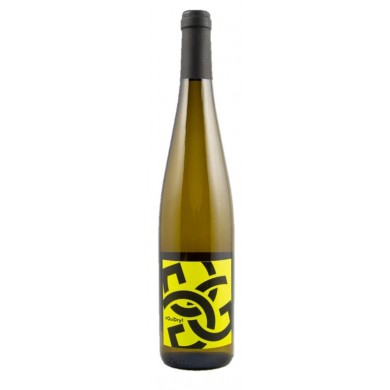
Paul Ginglinger Winery Alsace - Oui Dry
Ouidry from Domaine Ginglinger is a dry, fresh and aromatic white wine that's easy to match!
Close
Price
€13.90

 close
close

Filter By
Price
Price
Label
Label
Color
Color
Degree
Degree
Apogée
Apogée
The wines of Alsace occupy a singular and immediately identifiable place in the French wine landscape. A border region, marked by a complex history and a strong cultural identity, Alsace winegrowing is distinguished by the precision of its wines, the emphasis on grape varieties and a very fine reading of terroirs. Today, this uniqueness finds a natural extension in the rise of organic viticulture, which is establishing itself as a structuring pillar of the contemporary identity of Alsatian wines.
The vineyards of Alsace stretch along a narrow strip of hillsides at the foot of the Vosges mountains, benefiting from a particularly dry, sunny semi-continental climate. This geographical configuration gives the region one of the lowest rainfall levels in France, creating conditions naturally favorable to organic viticulture in Alsace. The protection offered by the Vosges mountains limits the pressure of cryptogamic diseases and enables more environmentally-friendly vineyard management, while guaranteeing optimal grape ripening.
The region's geological diversity makes it an ideal location for organic viticulture.
Geological diversity is one of the foundations of the richness of Wines of Alsace. Granite, schist, limestone, sandstone, marl and volcanic rock follow one another over short distances, offering an exceptional mosaic of terroirs. Organic viticulture allows us to reveal this complexity with precision, by encouraging the life of the soil and the deep rooting of the vines. The wines resulting from these practices present a more legible reading of the terroir, where minerality and structure take on their full dimension.
The emblematic grape varieties of Wines of Alsace, such as Riesling, Gewurztraminer, Pinot Gris, Muscat and Pinot Noir, find in organic farming a particularly suitable terrain for expression. Vineyard management without synthetic products preserves the natural balance of the grapes and refines their aromatic expression. The wines gain in purity, tension and precision, offering more elegant, better-defined profiles, faithful to the identity of each grape variety and terroir.
The organic viticulture in Alsace is often accompanied by a strong commitment to biodynamics, widely adopted by many benchmark estates. This approach aims to reinforce natural balances and refine the expression of living things, both in the vineyard and in the cellar. Biodynamic Alsatian wines frequently stand out for their energy, depth and ability to translate the singularity of their origin with finesse.
The organic white wines of Alsace, the majority in the region, seduce with their uprightness and great cellaring capacity. Organic Riesling, in particular, expresses the diversity of Alsace terroirs with remarkable precision, offering taut, chiseled and deeply mineral wines. Gewurztraminer and Pinot Gris, often associated with richer profiles, gain balance and freshness from organic practices, avoiding heaviness and emphasizing aromatic complexity.
.
The Pinot Noir d'Alsace bio, long kept in the background, is now enjoying a notable boom. Organic viticulture enables us to better control yields and obtain more homogeneous maturities, giving rise to increasingly fine and elegant red wines. These wines express a delicate aromatic palette, underpinned by a balanced structure and a freshness characteristic of Alsatian terroirs.
In the cellar, producers of organic wines from Alsace generally favor respectful vinifications, aimed at preserving the identity of grapes and terroirs. Fermentations are often carried out with indigenous yeasts, interventions are limited, and ageing is adapted to the profile of each cuvée. These choices result in wines that are more readable, digestible and better integrated, while retaining great aromatic precision.
The rise of organic Alsace wines also responds to a shift in consumer expectations, as they become increasingly sensitive to environmental issues and seek out authentic wines. Organic in Alsace is not an opportunistic trend, but part of a historic approach to respecting the terroir and enhancing the value of living organisms. This consistency strengthens the credibility and attractiveness of Alsatian wines on national and international markets.
.
From a gastronomic standpoint, the organic wines of Alsace offer remarkable versatility. Their freshness, precision and aromatic richness enable them to accompany a wide variety of cuisines, from traditional Alsatian dishes to world cuisine. The natural balances brought about by organic viticulture enhance their suitability for food and wine pairings, particularly with spicy dishes, vegetarian cuisine or refined delicacies.
In the face of climate challenges, organic viticulture appears to be a strategic lever for the future of Wines of Alsace. By strengthening soil resilience, vine health and biodiversity, it enables us to anticipate climate change while preserving the identity of our terroirs. This sustainable vision is part of a long-term approach, essential to the transmission of an exceptional winegrowing heritage.
Choisir un domaine
There are 28 products.
Ouidry from Domaine Ginglinger is a dry, fresh and aromatic white wine that's easy to match!
Close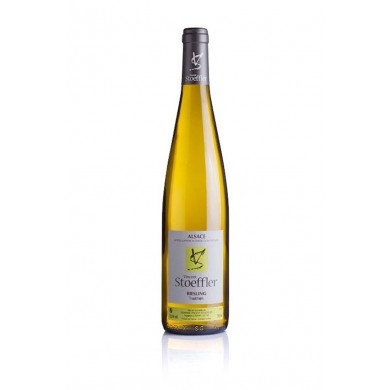
An excellent Organic Sylvaner from Domaine Stoeffler . The wine is fruity, mineral. It's the ideal companion for sauerkraut or impromptu meals with friends. Domaine Stoeffler continues its faultless record.
Close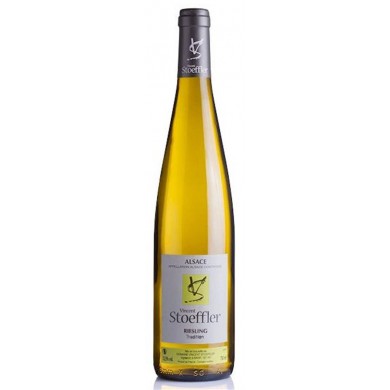
An excellent organic Riesling in the fine tradition of its silver-medal-winning predecessor. The wine is fruity and mineral. It's the ideal companion for sauerkraut or impromptu meals with friends. Domaine Stoeffler continues its faultless record.
Close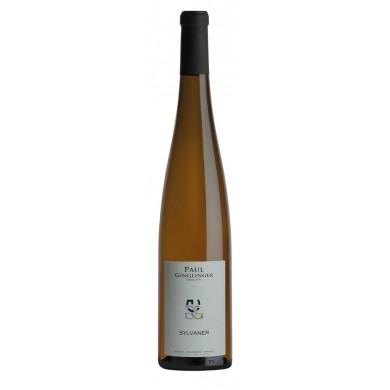
This Sylvaner from Bodenacker stands out for its delicate floral, citrus, dried fruit and malt aromas. Its balance on the palate reflects the power of the limestone marls, with a broad, very enveloping structure that tightens and draws on vibrant acidity and fine salinity on the finish.
Close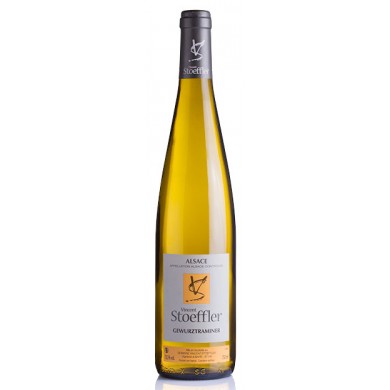
This Gewurztraminer tradition du domaine Stoeffler is representative of the grape variety from which it is made. This is the most expressive grape variety; it is very fruity, with aromas of yellow fruit, citrus, spices and roses. It is rich, very persistent, powerful yet elegant.
Close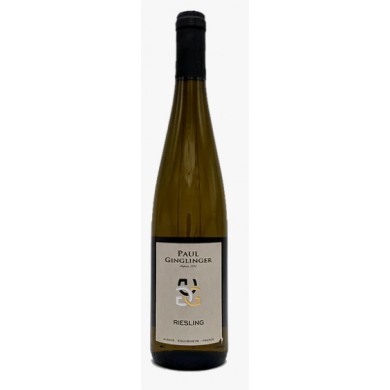
A lovely Riesling from domain Ginglinger, fresh and fruity, in pure house style. A perfect definition of this varietal.
Close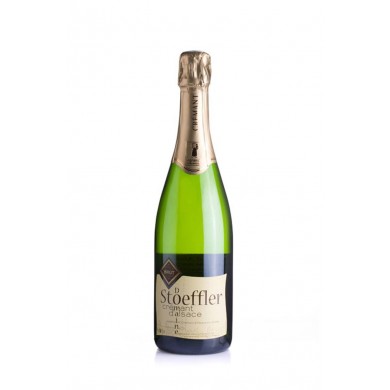
A lovely organic crémant with a savory, ripe mouthfeel. Delicate bubbles and well-balanced. A must-try!
Close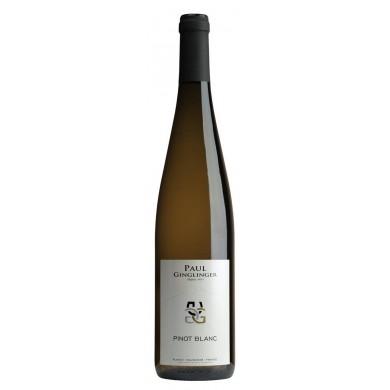
The Pinot Blanc du domaine Ginglinger is a complex blend of different parcels of pinot blanc and pinot auxerrois from various Eguisheim lieux-dits: Langrod, Bachtal, Klein Krumling, Lang Striebicher and Bodenacker. The golden auxerrois grapes give the wine a frank, pronounced fruitiness and fullness on the palate, while the pinot blanc adds freshness, liveliness and a hint of citrus. The bouquet of this pinot blanc is pure and spring-like, blending pear, lemon, fresh hazelnut, vanilla and white flowers. The balance on the palate is dry, articulated around suave, crisp flesh and invigorating freshness. A great charmer that goes well with a wide range of dishes.
Close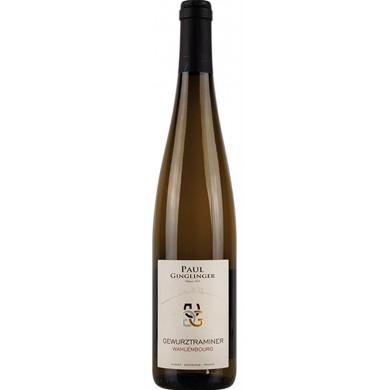
This gewurztraminer Wahlenbourg du domaine Ginglinger is a blend of different parcels from the Felsacker, Sundgass and Hissererweg lieux-dits, three predominantly limestone terroirs imprinting a particularly fruity, lively and sapid style on the gewurztraminer. Invariably, our Walhenbourg cuvée is a gourmet gewurztraminer, playing on finesse and elegance. We loved the superb integration of residual sugar in this Alsatian white.
Close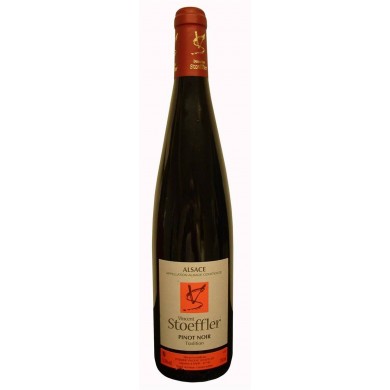
This pinot noir tradition du domaine Stoeffler plays the red berry card. Light, airy and aromatic, it features morello cherry and blackberry notes. Versatile, it can be enjoyed with charcuterie, white meats and even fish.
Close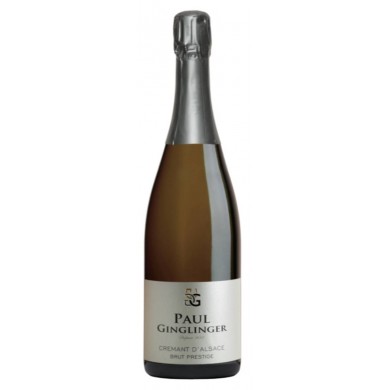
A superb Crémant d'Alsace, with fine bubbles and liveliness. Ideal as an aperitif!
Close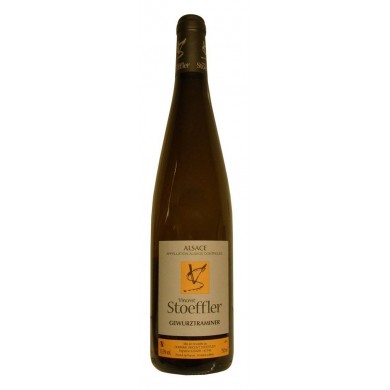
This Organic Gewurztraminer from Domaine Stoeffler is a great success: very fruity, with aromas of yellow fruit, spices and roses; rich and powerful, it nevertheless retains a great deal of elegance. Domaine Stoeffler produces yet another superb demi-sec nectar!
Close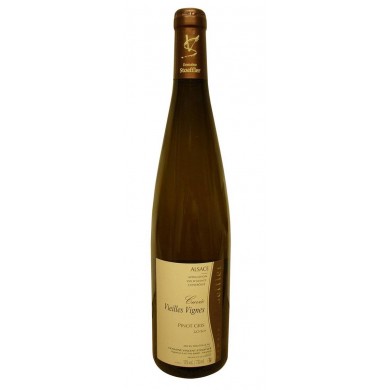
This Pinot gris d'Alsace produced by Domaine Stoeffler is a great success. It features smoky, fruity aromas typical of the grape variety and excellent length. The ideal companion to foie gras!
Close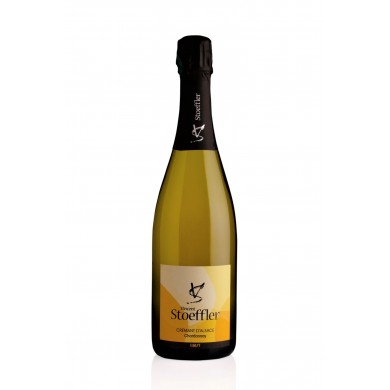
From old Chardonnay vines, this crémant from domaine Stoeffler is a great success!"The nose is distinguished by great complexity, citrus aromas and lightly toasted notes. A fine, persistent mousse caresses the palate. The finish is long, mineral, fruity and perfectly balanced.
Close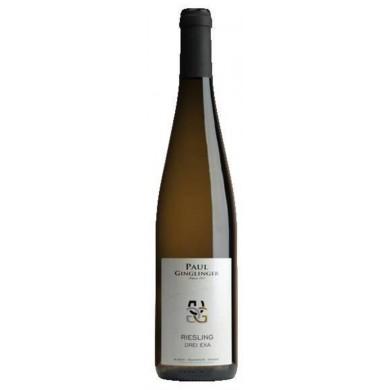
The cuvée Drei Exa from Domaine Ginglinger refers to its village of origin, Eguisheim (Exa) and the three castles overlooking the village. Riesling Drei Exa is a blend of very fine, predominantly limestone-sandstone parcels adjoining Grand Cru Pfersigberg in the Wettolsheimerweg, Dreistein and Sundgass districts. This dry Riesling is characterized above all by its finesse and elegance. The bouquet offers a delicate fruitiness that asserts itself with age. The balance on the palate is long-lined, characteristic of great terroirs with predominantly limestone.
RVF: "Drei Exa is a fine reference for lovers of dry Riesling"
Close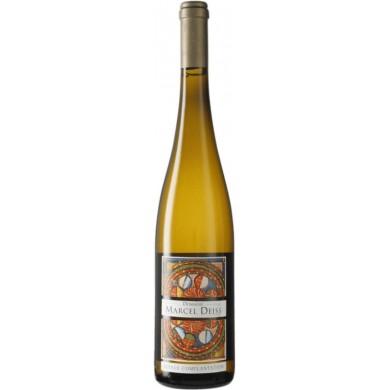
La complantation is a superb white produced by the domaine Marcel Deiss. Elegant and fruity, it will be ideal as an aperitif or with a nice fish. This organic wine is made from a blend of 13 grape varieties: riesling, pinot and gewurztraminer combine with outstanding harmony and elegance. Superb!
Close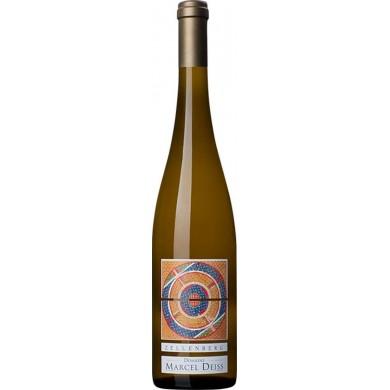
This Zellenberg cuvée from domaine Marcel Deiss is endowed with lovely energy. The nose develops notes of yellow fruit. The palate is dense, mineral and structured with fruity notes. Elegant, long and saline finish. Radiant!Guide des meilleurs vins de France 2022 : 93/100
Close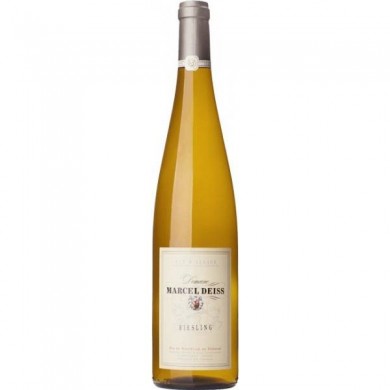
A magnificent Riesling from the domaine Marcel Deiss, both invigorating and refreshing, resting on a mineral structure. Beautiful finish on citrus notes.
Close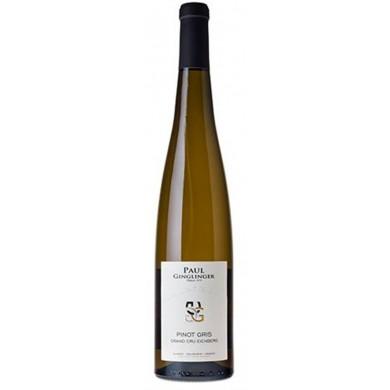
Grand Cru Eichberg shines in its versatility, in the sense that all the noble grape varieties can express their complexity and generosity. This Pinot Gris draws on its great power, enhanced by the cru's characteristic rigor. This wine expresses an imposing body while maintaining a straight, precise structure.14.6g residual sugar
Close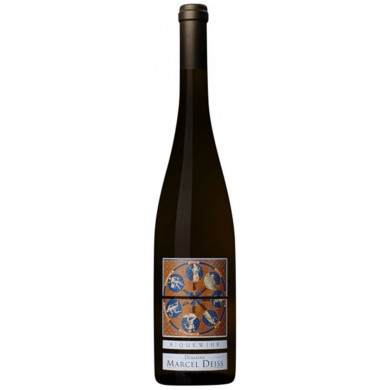
This Alsace Riquewirh du domaine Marcel Deiss comes from the Domaine Marcel Deiss plots, planted on the Riquewihr finage. The wine produced is extremely salivating, precise, well-structured and full of personality. A sparkling biodynamic wine!
Close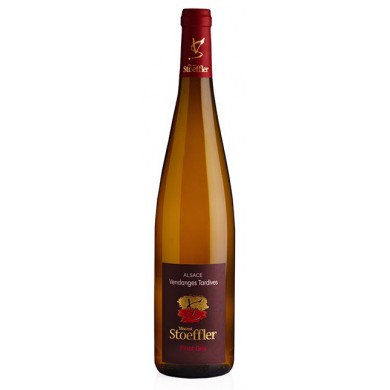
This pinot gris vendanges tardives du domaine Stoeffler is made from late-harvested grapes. They are overripe and concentrated by botrytis (noble rot). They are produced in very small quantities on our best terroirs. The nose is reminiscent of raisins and quince jam, with hints of apricot. The ample, generous palate features jammy flavors of yellow fruit, figs with smoky notes and a perfectly balanced finish.
Close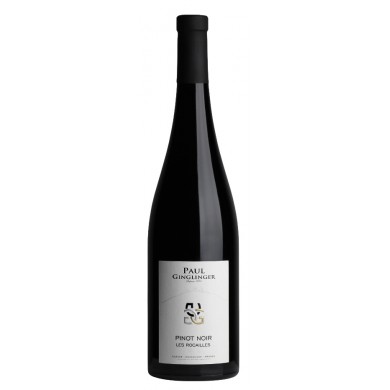
The Pinot Noir Les Rocailles 2023 is the great red cuvée from Domaine Paul Ginglinger - a parcel selection from vines in direct contact with the marl-sandstone bedrock of the Mittlerer Eich locality, in the heart of the Grand Cru Eichberg in Eguisheim. Small, concentrated berries, rich in color and fine tannins, hand-harvested, partially destemmed, vatted for 2 to 3 weeks, certified organic. Full-bodied, racy red with great finesse and freshness. Goes well with game, lamb and rib of beef.
Close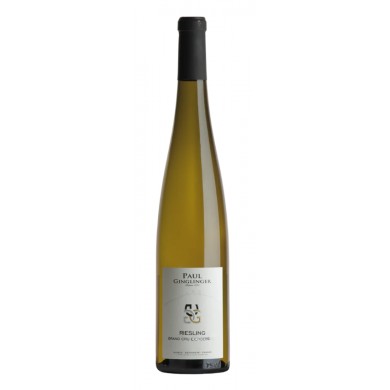
The Riesling Grand Cru Eichberg 2024 is the most ambitious Riesling from the Domaine Paul Ginglinger - a single plot on the Hinterer Eich locality, in the heart of the "montagne aux Chênes" in Eguisheim, facing due south on the deep marls and sandstone scree of the Eichberg. Certified organic, hand-picked, slow fermentation in the cellar over several months, aged on fine lees. Dry, powerful, broad and complex, candied citrus, peach, imposing minerality. Keep for 10 years.
Close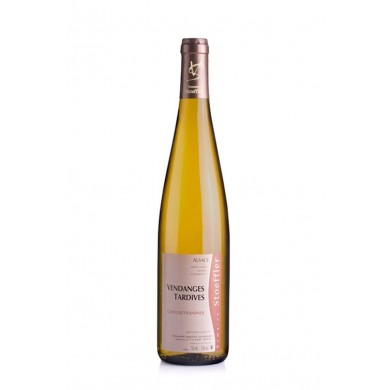
Superb Gewürztraminer Vendanges Tardives du domaine Stoeffler bio, all gourmandise and length. Drink with foie gras or dessert.
Close