

Nous partons dans les vignes pour quelques jours afin de découvrir de nouvelles pépites. 

Les expéditions sont suspendues du 1 au 24 août. Toutes les commandes sont bien prises en compte pendant cette période

En vous remerciant de votre confiance

Burgundy

The wines of Burgundy occupy a singular place in the global wine landscape, as much for their thousand-year-old history as for their unique ability to precisely express the notion of terroir. An emblematic region of French winegrowing, Burgundy is distinguished by a mosaic of climates, soils and micro-parcels, whose identity is reflected with rare finesse in its wines. This intimate relationship between vine, soil and wine goes a long way to explaining why organic viticulture finds a particularly strong and consistent echo here today.

The rise of organic Burgundy wines is part of a historical continuity rather than a rupture. Traditionally, Burgundy has always favored a plot-based, artisanal approach to viticulture, based on careful observation of the vines and respect for living things. The gradual adoption of organic practices thus appears to be a natural evolution, aimed at preserving the integrity of terroirs and reinforcing the most accurate expression possible of Burgundian climates.

Burgundy's soils, mostly composed of marl, limestone and clay, provide an ideal base for organic viticulture. Their living structure and ability to drain or retain water, depending on the area, promote balanced vine nutrition. By eliminating synthetic chemical inputs, winegrowers committed to organic farming enable the soil's microbial life to develop to the full, improving nutrient assimilation and the resilience of vines to climatic hazards.

The Burgundy wine region is also characterized by the predominance of grape varieties that are particularly sensitive to their environment, foremost among them Pinot Noir and Chardonnay. These grape varieties, with their great aromatic finesse but also a certain fragility, react immediately to cultivation practices. Organic viticulture makes it possible to preserve their natural balance and encourage more even ripening of the grapes, giving rise to organic Burgundy wines of great purity and remarkable precision.

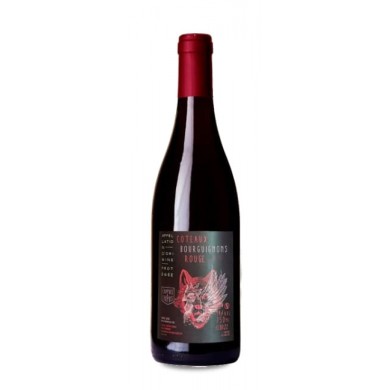
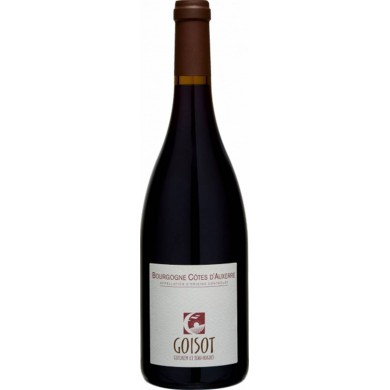
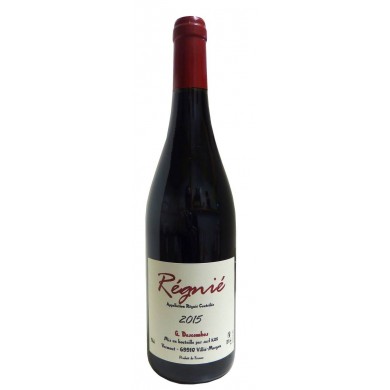
In organic red Burgundy wines, Pinot Noir delicately expresses the diversity of climates. Tannins gain in finesse, red fruit and spice aromas are more clearly revealed, and the texture is often silkier. This respectful approach limits over-extraction and favors elegance over power, in perfect keeping with the historic identity of Burgundy's great wines.

.

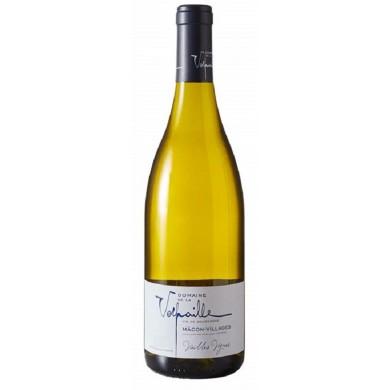
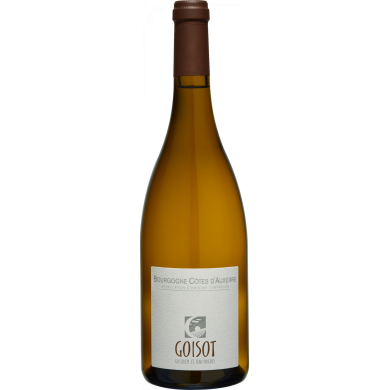
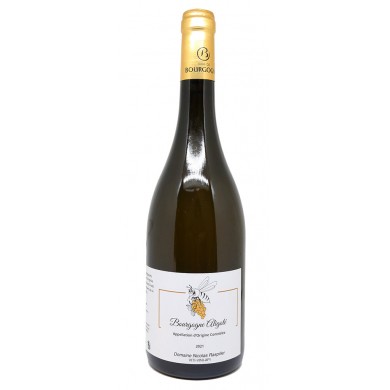
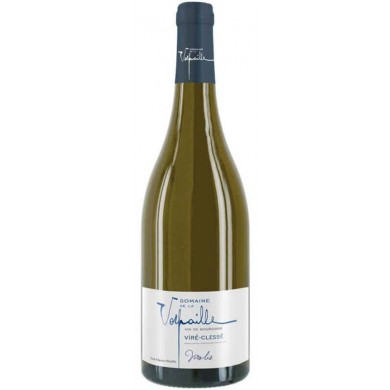
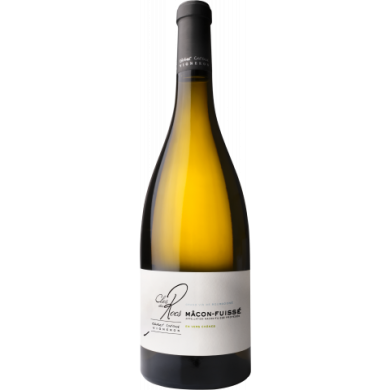
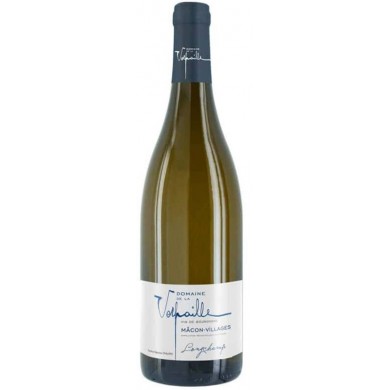
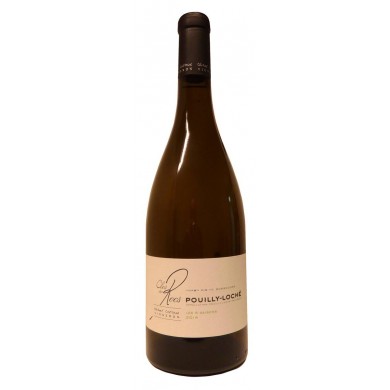
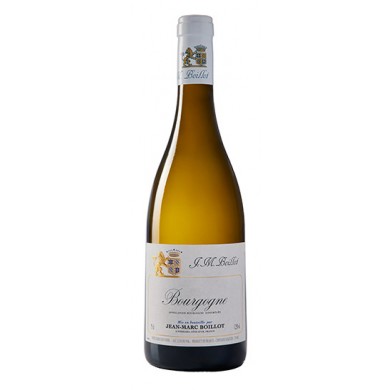
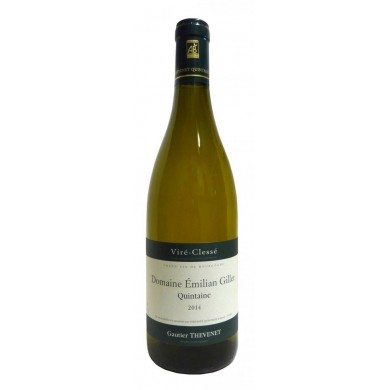
Organic white Burgundy wines, made mainly from Chardonnay, also benefit fully from organic practices. The vitality of the soils and the moderation of yields result in well-balanced grapes with preserved natural acidity. The wines gain in tension, clarity and depth, while retaining great cellaring potential. The mineral expression, signature of Burgundian limestone terroirs, is often enhanced.

.

Beyond the organic label, Burgundy is one of the French regions most invested in biodynamics. Many emblematic estates have adopted this demanding approach, based on a global vision of the winegrowing ecosystem. Biodynamic practices aim to reinforce the energy of the soil and plant, promote harmonious natural cycles and further refine the expression of terroir. Biodynamic Burgundy wines are often distinguished by their vibratory intensity, balance and aromatic depth.

The vinification of organic Burgundy wines generally follows a logic of minimal intervention. Fermentations are frequently carried out with indigenous yeasts, ageing is designed to accompany the wine without masking its identity, and the use of sulfur is precisely controlled. This approach enables us to offer wines that are more readable, more digestible and faithful to their origins, while respecting the high quality standards expected of Burgundy appellations.

The organic boom in Burgundy is also responding to growing consumer expectations, both in France and internationally. Lovers of Burgundy wines are now looking for vintages that combine taste excellence, authenticity and respect for the environment. Organic wine is no longer seen as a marginal alternative, but as an accomplished and coherent expression of terroir, capable of rivaling the greatest conventional wines.

At the gastronomic level, organic wines are becoming more and more popular.

From a gastronomic standpoint, organic Burgundy wines offer remarkable versatility. Their natural balance and aromatic finesse make them particularly suited to subtle food and wine pairings. Organic reds are elegant accompaniments to delicate meats, poultry or simmered dishes, while organic whites are ideal with fish, shellfish, cheeses and refined vegetal cuisine.

Faced with today's climatic challenges, organic viticulture also appears to be an essential lever for the future of Burgundy wines. By strengthening the resilience of soils and the health of vines, it helps mitigate some of the effects of extreme climatic events and preserve the typicity of climates over the long term. This approach is part of a sustainable vision, where passing on terroirs to future generations is an absolute priority.

Thus, today's organic Burgundy wines embody one of the most successful expressions of the alliance between tradition and modernity. Through the commitment of many winemakers, the precision of terroirs and the constant search for balance, Burgundy confirms its role as a world benchmark for terroir wines. The development of organic farming only reinforces this singularity, offering wines that are sincere, profound and full of meaning, perfectly in tune with contemporary expectations and the demand for excellence that characterizes Burgundy's vineyards.

Choisir un domaine

Sorry for the inconvenience.

Search again what you are looking for