

Biodynamic wine | Ardoneo

Biodynamic wines in a nutshell

The best Biodynamic wines are presented in this section. In addition to being certified organic, biodynamic wines follow stricter rules for vineyard management and, above all, winemaking: all inputs are banned, except sulfur, which is tolerated at very low doses. Biodynamic wines often possess more interesting balances than conventional wines, with freshness often more present, linked to the balance of the soil.

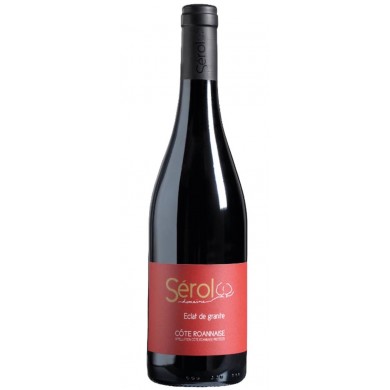
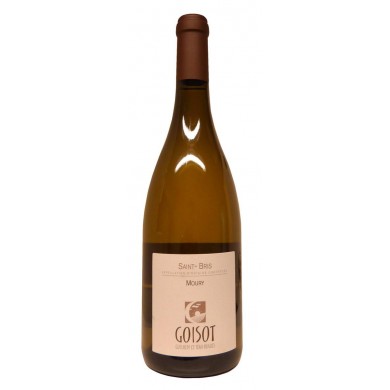
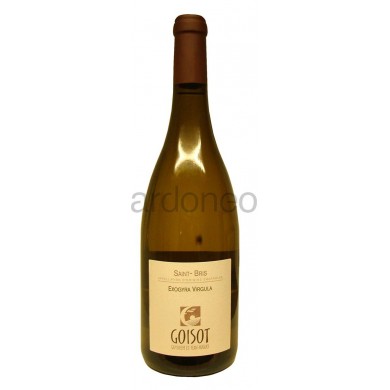
Here are just a few of the flagship estates we offer biodynamically: domaine d'Aupilhac in Languedoc, domaine Vincent Gaudry in Sancerre, domaine de la Mordorée in the Rhône Valley, domaine Sérol in Côtes Roannaises or Mas del Périé in Cahors, domaine Goisot in Saint-Bris or Mas de Libian in the Rhône Valley.

What are the certifying bodies for biodynamic wines?

The 2 most represented labels are Demeter, the historic label, and Biodyvin

What are the authorized doses of sulfur in biodynamic wines?

For red wines, at Demeter, the maximum total sulfur dose is 70mg/l and for white wines 90mg/l.

Is the lunar cycle taken into account when making biodynamic wines?

Yes, the lunar cycle comes into play at every stage in the making of a biodynamic wine: vineyard management, working the soil, but also, on the winemaking side, particularly for racking and bottling, notably to avoid deposits in these unfiltered wines. A calendar is available to help winemakers and tasters find their way around. For tasting, some have reportedly noticed that some wines taste more favorably on certain days than others.

What treatments are used in biodynamic viticulture?

In the vineyard, phytotherapies are preferred. Biodynamics is part of a policy of disease prevention. The winemaker reinforces the vine's defenses with plant-based sprays (nettle, horsetail, valerian, sage, etc.) and minerals (silica). Diseases are only treated with copper (in limited quantities) and sulfur.

What are preparations 500, and 501?

Preparations 500 and 501 are among the pillars of biodynamics, even if this is worth a lot of criticism. Preparation 500 begins with cow dung placed in a cow's horn and buried over winter. In the spring, the preparation is diluted (1g per liter), dynamized (the liquid is stirred in a dynamizer) and sprinkled into the soil to reinforce microbial life.

.

Same principle for 501: we put rock crystal in a cow's horn during the summer period and spray the diluted and dynamized preparation during the winter to strengthen the plant.

Why do winegrowers practice biodynamics?

In the 60s and 70s, with the advent of chemicals in the vineyard, many winemakers realized they were losing their terroir. The idea of working to produce biodynamic wines came from the desire to rediscover wines that were close to their terroir, by forcing the vines to root themselves deep in the soil and using as few inputs as possible.

Dynamic farming, does it work?

Biodynamics is often disparaged for its esoteric side. However, faced with the facts, Domaine de la Romanée-Conti decided to produce organic wines in 1985 and to convert the entire estate to Biodynamic viticulture in 2007, as this practice brought a real plus to the wine, according to its owner Aubert de Villaine. The same goes for La Coulée de Serrant, a mytic Loire domaine.

Sorry for the inconvenience.

Search again what you are looking for