

Sorry for the inconvenience.
Search again what you are looking for
Founded in 1972 in Aniane, Hérault, Mas de Daumas Gassac is unanimously recognized as the pioneer of great Languedoc wines and one of the finest references in French organic viticulture. At Ardoneo, we're proud to offer you cuvées from this exceptional estate, cultivated with absolute respect for the living for over fifty years.
It all began in the early 1970s, when Aimé and Véronique Guibert acquired an old horse farm that had been chemical-free for generations - ideal conditions for organic viticulture, long before it became a trend. In 1971, geologist Henri Enjalbert discovered glacial sandstone soils comparable to the great terroirs of Burgundy's Côtes d'Or: the domaine's destiny was sealed. The first vines of Cabernet Sauvignon were planted in 1972, and the first vintage was born in 1978, under the benevolent gaze of Émile Peynaud, the greatest oenologist of his time, who confided: "I have advised the greatest French crus, but here, for the first time, I was lucky enough to witness the birth of a grand cru."
Since the 2000s, the second generation - Samuel, Roman, Gaël, Amélien and Basile Guibert - has carried on this family philosophy of excellence and respect for terroir.
The estate covers 50 hectares, with the vines planted in small one-hectare blocks in the heart of the garrigue forest. This deliberate choice maintains an abundant ecosystem, protected by birds and insects. The micro-climate of the Gassac valley, with its underground cold-water springs and the influence of the surrounding mountains, lends the wines a freshness and complexity not found elsewhere in the Languedoc.
Each year, two hectares of vines are renewed after five years of fallow, nurturing the balance and finesse sought in every bottle. The winery, housed in an old water mill, vinifies by gravity, without pumps - all gently, with respect for the fruit.
The Mas de Daumas Gassac cultivates over 40 grape varieties massively selected from historic estates such as Château Margaux or Domaine Huet. For the reds, uncloned Cabernet Sauvignon dominates at 80%, complemented by Cabernet Franc, Malbec, Merlot, Tannat, Petit Verdot, Syrah and other rare varieties. The whites combine Viognier, Chardonnay, Petit Manseng, Chenin, Marsanne, Roussanne and curiosities from the Rhône, Loire and even Italy. This diversity of grape varieties, enriched by Mediterranean scents, signs wines of unique complexity and originality.
The wines of Mas de Daumas Gassac are at the crossroads of their Bordeaux grape varieties, Burgundy-influenced vinification and Languedoc accents: floral notes, fine herbs, garrigue. The reds are vinified without added sulfur, a direct expression of terroir and philosophy. Note that the domaine has chosen to remain in Vin de Pays de Saint-Guilhem-le-Désert rather than in AOC, to preserve the freedom of its grape varieties - a freedom that in no way diminishes their worldwide prestige.
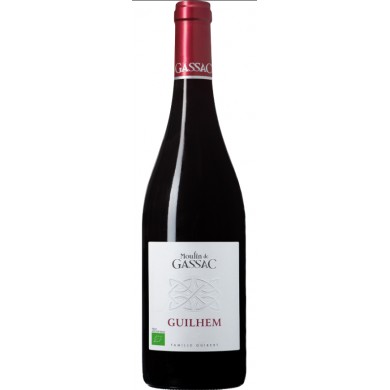
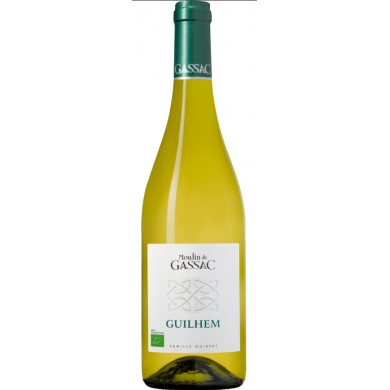
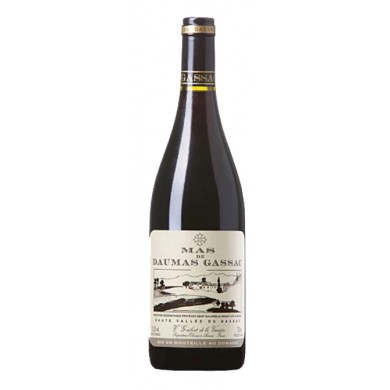
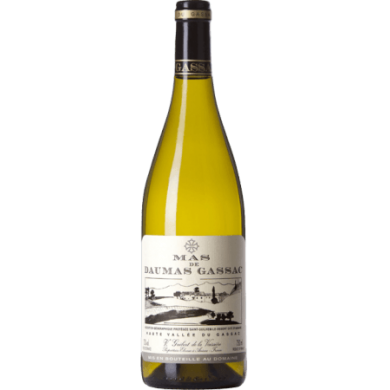
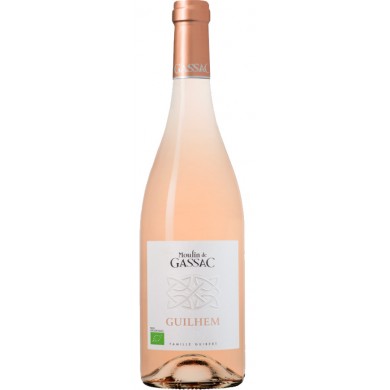
The Mas de Daumas Gassac Rouge is the estate's signature wine: deep, complex, with exceptional cellaring potential. The Mas de Daumas Gassac Blanc stands out for its freshness and rare aromatic finesse. Rosé embodies the gaiety of Languedoc with the rigor of the estate. Cuvée Émile Peynaud, created in 2001 as a tribute to the oenologist, offers the best expression of terroir. Vin de Laurence, a mellow collector's wine inspired by the world's great sweet wines, completes this exceptional range. Finally, Moulin de Gassac offers an accessible and immediate entry into the world of the estate.
Practical advice: Mas de Daumas Gassac reds are best kept for 20 to 30 years in a temperate cellar (12-15°C, away from light). Whites and rosés can be enjoyed within 5 to 10 years. The 2023 vintage is particularly successful and will benefit from a few years' patience.
Search again what you are looking for