Nous partons dans les vignes pour quelques jours afin de découvrir de nouvelles pépites.
Les expéditions sont suspendues du 1 au 24 août. Toutes les commandes sont bien prises en compte pendant cette période
En vous remerciant de votre confiance

 close
close

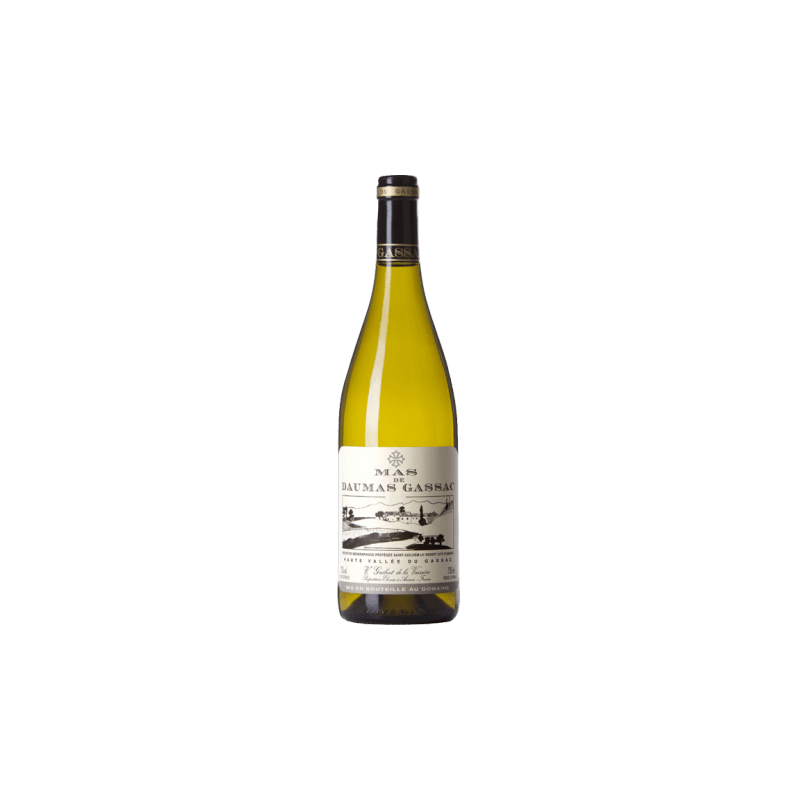
Le Mas Daumas Gassac blanc is made from a unique blend of grape varieties: this pure, incredibly fresh Languedoc organic wine develops on notes of yellow fruit, musk and menthol. Superb length. A great gourmet wine to be enjoyed over 15 years.
97/100 Jeb DUNNUCK
92+/100 Robert PARKER
91/100 Guide Bettane et Desseauve 2026
Le Mas de Daumas Gassac is a French winegrowing legend. It all began in 1971 when Aimé and Véronique Guibert fell under the spell of an old abandoned farmhouse in the upper Gassac valley, near the ancient abbey of Aniane, at the gateway to the Cévennes. The following year, on the advice of their friend Professor Henri Enjalbert - a geologist specializing in the relationship between soil and grapes - they had their land analyzed. The verdict was clear: these exceptionally fine draining limestone sandstones, formed by glacial scree, are among the most unusual terroirs in France, comparable to the best plots in Burgundy. Enjalbert convinced them to plant grape varieties then unlikely in the Languedoc.
For the reds, Cabernet Sauvignon takes center stage - derived from massal selections from the best Bordeaux estates, accompanied by some twenty rare grape varieties. For the white, Aimé Guibert has chosen an even more radical blend of 13 grape varieties, all from massal selections from benchmark estates: viognier from Georges Vernay in Condrieu, chardonnay from Comtes Lafon in Meursault, plus petit manseng, chenin blanc, sauvignon, marsanne, roussanne, petit courbu, muscat petit grain, muscat d'Alexandrie, gros manseng and others. A blend that defies all convention and can claim no appellation - hence the IGP Saint-Guilhem-le-Désert, an assumed freedom that places the domaine outside the norms and above classifications.
Since 2016, Aimé's sons - Samuel, Gaël, Roman and Basile - have carried on the legacy with the same exacting standards. The estate is farmed organically, with manual harvesting and minimal intervention in the cellar. The 2023 white benefits from a two- to three-day maceration on skins - a rare technique for a white wine, which enriches the aromatic material in depth - followed by full aging in stainless steel tanks to preserve the purity and freshness of the fruit.
The 2023 opens with a very floral, complex nose - yellow-fleshed fruit, honeysuckle, candied citrus, watermelon, sweet spices and white flowers. The palate is full, round and enveloping, with a dynamic balance between natural fatness and chalky freshness, a frank and lively attack softened by notes of ripe fruit, citrus and fresh almond. The finish is long, somewhat ethereal and slightly spicy. A gastronomic white of unrivalled complexity, which ages remarkably well and will continue to evolve over the next decade.
Very limited production - three bottles maximum per order recommended at certain retailers. Serve between 12 and 14°C with shellfish, roasted lobster, scallops in hazelnut butter sauce, Bresse chicken in cream sauce, noble fish, soft ripened cheeses.
Discover also the Mas de Daumas Gassac Rouge 2023 - the estate's other legend, made with Cabernet Sauvignon on the same limestone grèzes.
Data sheet
39% Viognier, 27% Chardonnay, 13% Petit Manseng, 10% Chenin, 11% Other
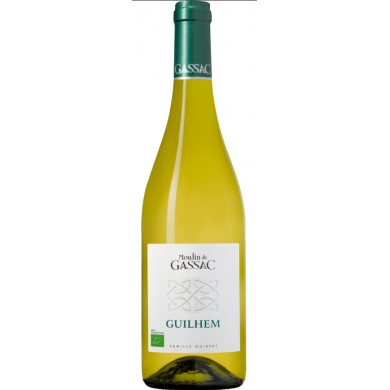
The 2025 Guilhem Blanc from Moulin de Gassac is the winery’s organic white wine—an original blend of three Mediterranean grape varieties, "a total crowd pleaser."
The color is light, clear, and brilliant. The nose is alluring and intense, with notes of white flowers, citrus, and white-fleshed fruits. The palate is lively and fresh, with a mineral finish. Serve between 10 and 12 °C.
40% Grenache Blanc, 30% Colombard, 30% Rolle (organic), grown on clay-limestone terraces bordering the Thau Lagoon. Skin contact for 2–3 hours in a refrigerated tank; fermentation at 16–21 °C; aged for 5–6 months in stainless steel tanks, without oak.
Best enjoyed within 2 years. Pairs well with fish, shellfish, and fresh goat cheese.
Close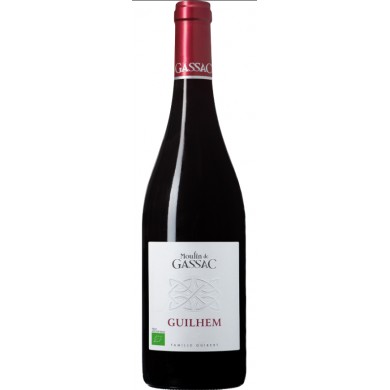
The 2025 Guilhem Rouge from Moulin de Gassac is the estate’s organic red wine—fruity, supple, and spicy, grown on the limestone slopes of Villeveyrac.
The color is an intense, deep red. The nose reveals aromatic complexity combining notes of red fruits and spices. On the palate, it offers a supple and fruity attack, with well-integrated tannins—a wine full of finesse. Serve between 18 and 20 °C, after lightly decanting.
Organic Alicante, Carignan, and Merlot from the Jurassic limestone slopes rich in bauxite, Villeveyrac. 100% destemmed, traditional winemaking, 10–12 days of maceration at 25–30 °C.
Best enjoyed within 3 years. Pairs well with meat and cheese.
Close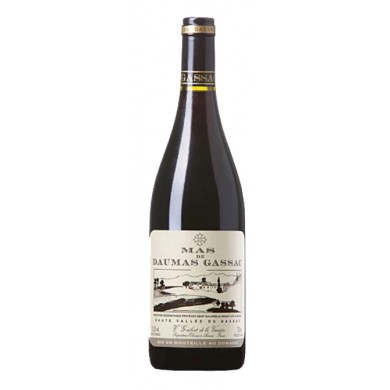
This Daumas Gassac rouge is a great success from the 2023 vintage: this organic gourmet wine develops notes of mocha, blackcurrant, cocoa, all resting on very elegant, fine tannins. Great length!
Close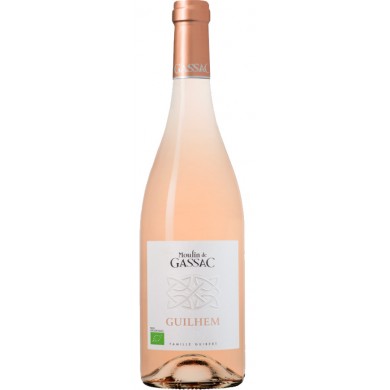
Guilhem Rosé 2025 from Moulin de Gassac is the winery’s organic rosé—vibrant, floral, and mineral—crafted from grapes grown on the hillsides surrounding the Thau Lagoon.
The color is a luminous coral with salmon-colored highlights. The nose is pleasant and intense, floral and mineral with citrus notes. On the palate, it offers a beautiful balance of freshness, combining aromas of red currants and red berries, with a crisp and lingering finish. Serve between 10 and 12 °C.
Organic Carignan and Grenache, grown on a clay-limestone plateau bordering the Thau Lagoon. 100% destemming, direct pressing, low-temperature fermentation, yield 50–60 hl/ha.
Best enjoyed within 2 years. Pairs well with salads, grilled meats, and fish.
Close
Le Mas Daumas Gassac blanc is made from a unique blend of grape varieties: this pure, incredibly fresh Languedoc organic wine develops on notes of yellow fruit, musk and menthol. Superb length. A great gourmet wine to be enjoyed over 15 years.
97/100 Jeb DUNNUCK
92+/100 Robert PARKER
91/100 Guide Bettane et Desseauve 2026