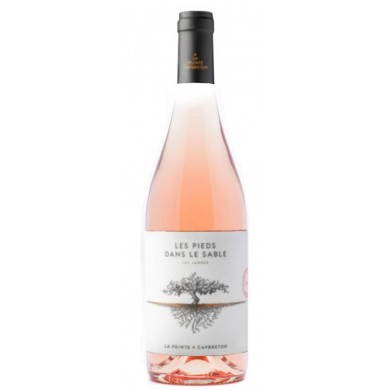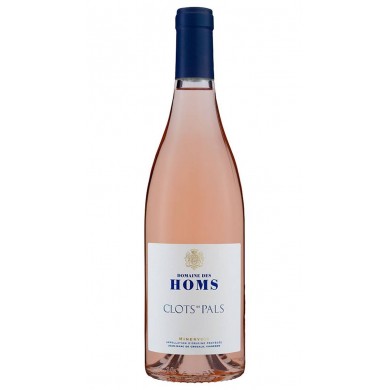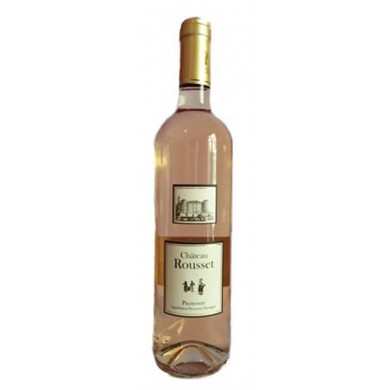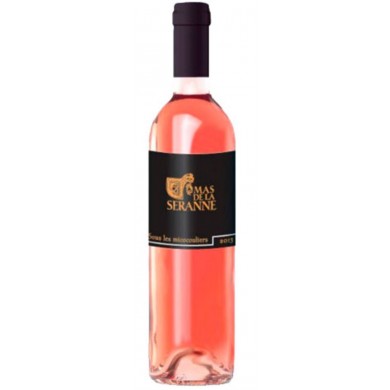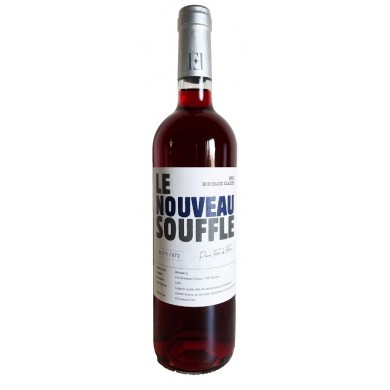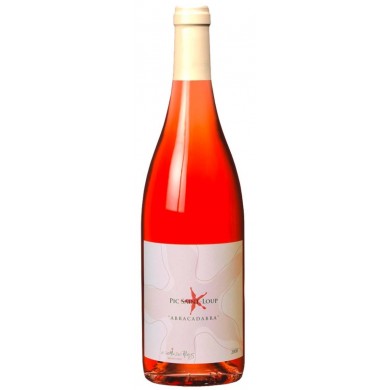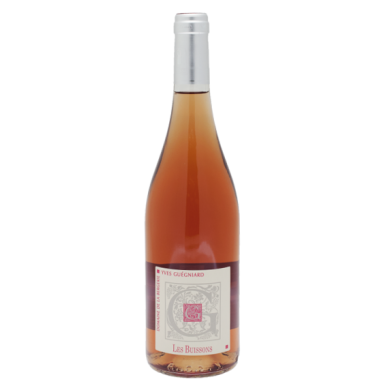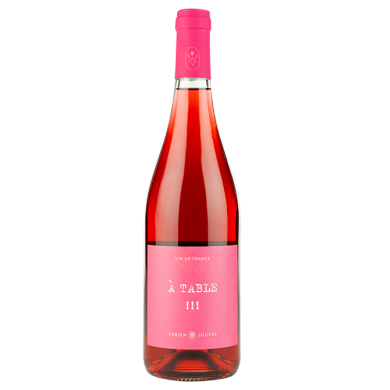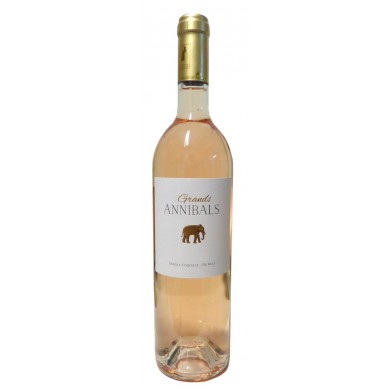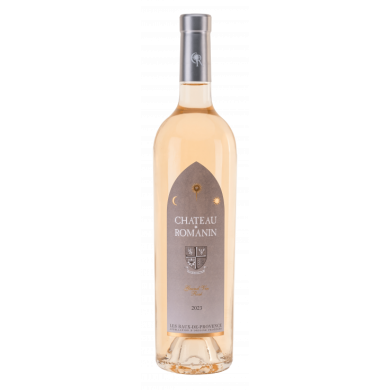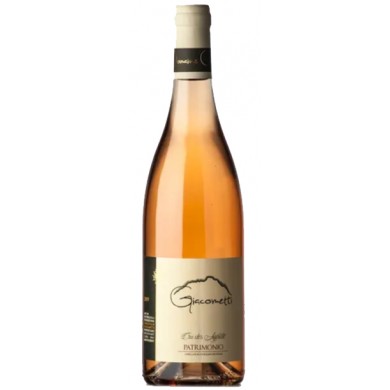


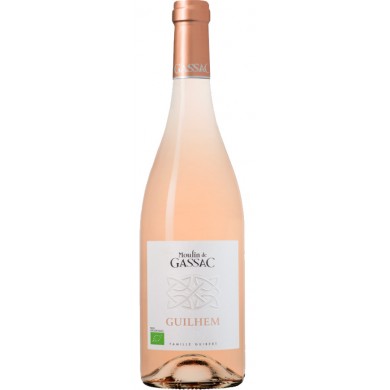
Nous partons dans les vignes pour quelques jours afin de découvrir de nouvelles pépites. 

Les expéditions sont suspendues du 1 au 24 août. Toutes les commandes sont bien prises en compte pendant cette période

En vous remerciant de votre confiance

Rosé | Ardoneo

Vin rosé bio - Selection of organic rosés from Provence and beyond

Discover our selection of organic rosé wines, between freshness, fruit and elegance

The organic rosé wine is now an obvious choice for wine lovers looking for authenticity, pleasure and respect for the terroir. More than just a trend, it reflects a profound evolution in consumer habits, where quality and origin take precedence over industrial standards.

Having been produced from grapes grown without pesticides or synthetic chemicals, organic rosés offer a purer expression of fruit and terroir. They stand out for their freshness, digestibility and ability to accompany a wide variety of moments, from aperitifs to summer meals.

Through this selection, we offer you a selection of organic rosés that can be enjoyed in a variety of ways.

Through this selection, you'll discover organic rosés from Provence or rosés from Languedoc, carefully chosen for their balance, precision and immediate pleasure.


Why choose an organic rosé wine?

Opting for an organic rosé means choosing a wine that's more respectful of the environment, but also truer to its origins.

Organic viticulture excludes the use of synthetic chemicals and favors natural practices that promote soil life. This approach results in better-quality grapes, translated in the glass by more expressive wines.

Organic rosés are a perfect example of this.

Organic rosés generally feature:

  • a better aromatic purity
  • a more pronounced sensation of freshness
  • greater drinkability
  • .
  • a more faithful expression of grape variety and terroir

They appeal as much to casual wine lovers as to enthusiasts in search of digestible, well-balanced wines.


Big regions for organic rosé

Organic rosé from Provence: finesse and elegance

Provence remains the go-to region for rosé. Wines here are generally pale, fresh and delicate, with citrus and red fruit aromas.

? To discover: provence organic rosé wines


Rosé bio de Loire: freshness and lightness

Loire rosés offer a livelier profile, often marked by notes of red berries and lovely tension.

? Ideal for: aperitifs, light meals


Rosé bio du Languedoc: gourmandise et soleil

More generous, Languedoc rosés develop fruity, round profiles, perfect for convivial drinking.

? Ideal for: grilling, summer cooking


The different styles of organic rosé wine

Not all organic rosés are alike. Style depends on terroir, grape varieties and winemaking.

Light and fresh organic rosé

Perfect as an aperitif, with low structure and ease of drinking.


Fruity organic rose

Dominated by aromas of red fruit and citrus, it offers a lovely gourmet treat.


Gastronomic organic rose

More structured, sometimes slightly vinous, it easily accompanies a full meal.


What organic rosé wine to choose depending on the occasion?

Organic rosé is a particularly versatile wine, capable of adapting to many situations.

For an aperitif, opt for a light, fresh rosé that's easy to drink. For a barbecue, turn to more structured rosés, capable of holding up to grilled meats. Finally, for a more elaborate meal, a gastronomic rosé will bring complexity and balance.


Food and wine pairings with organic rosé

Organic rosé has a natural place at the table.

It goes perfectly with:

  • grilled meats
  • fish
  • summer salads
  • Mediterranean dishes
  • appetizers

Its freshness and fruitiness make it an ideal ally for summer cooking.


How to serve organic rosé wine properly

To take full advantage of its qualities, an organic rosé should be served between 8 and 12°C, depending on its style. Too cold, it will lose its aromas; too warm, it will seem heavier.

Drinking within two years is generally recommended, although some gourmet rosés can evolve longer.


FAQ - Organic rosé wine

What's the best organic rosé wine?

There is no single answer. The best organic rosé depends on your tastes and the occasion. Provence rosés are often a safe bet for their balance.


What's the difference between organic and conventional rosé?

Organic rosé is made from grapes grown without the use of synthetic chemicals, which directly influences the wine's quality and environmental impact.


Does an organic rosé keep for a long time?

The majority of organic rosés are best drunk young, but some more structured rosés can evolve over several years.


Does organic rosé contain fewer sulfites?

Organic wines may contain sulfites, but in more limited quantities than conventional wines.

Sorry for the inconvenience.

Search again what you are looking for