

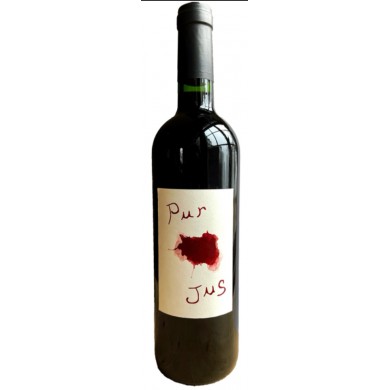
Chateau Carbonneau AOP Bordeaux - Pur Jus 2023
Pur Jus du Château Carbonneau is a supple, gourmet cuvée made from Merlot with a little Malbec. A modern cuvée for an accessible, versatile Bordeaux. A great success!
CloseThe Château Carbonneau is a wine estate located in the eastern Bordeaux wine region, in the heart of the Côtes de Bordeaux - Sainte-Foy appellation area. Situated close to the Dordogne valley and the historic town of Sainte-Foy-la-Grande, Château Carbonneau is part of an ancient wine-growing area, where the cultivation of vines has been documented for several centuries. In this area of eastern Bordeaux, viticulture is based on a combination of varied terroirs, a climate conducive to grape ripening and a traditional vineyard dominated by Bordeaux grape varieties.
.
Today, Château Carbonneau is one of the estates contributing to the enhancement of the Côtes de Bordeaux - Sainte-Foy appellation. The estate is developing production focused on the expression of terroir, agronomic control and viticulture attentive to the environment. The wines of Château Carbonneau are part of a quest for balance between ripe fruit, natural freshness and structure, characteristics sought after in contemporary Bordeaux wines.
The Château Carbonneau is located in the eastern part of the Bordeaux vineyards, in an area that marks the transition between the Bergeracois and Libournais regions. The Côtes de Bordeaux - Sainte-Foy appellation is located on the slopes overlooking the Dordogne valley. This geographical location offers favorable conditions for viticulture, thanks in particular to good exposure of the plots and a relief that allows natural soil drainage.
The Château Carbonneau vineyard benefits from this specific geographical context, which favors gradual ripening of the grapes. The hillsides also help to limit excess humidity, which is a major advantage in a region with an oceanic climate.
The natural environment.
The natural environment of Château Carbonneau is characterized by alternating wooded areas, agricultural plots and vineyards. This landscape diversity contributes to the ecological balance of the territory and helps maintain biodiversity in the vineyard.
One of the major characteristics of the Côtes de Bordeaux - Sainte-Foy appellation lies in the diversity of its soils. The Château Carbonneau draws on this geological richness to craft wines that express the complexity of the terroir.
The soils found around Château Carbonneau are generally composed of:
limestone
clays
gravelly formations
ancient sands
Calcareous soils play an important role in the hydric regulation of the vine and promote balanced wines with good natural freshness. Clay contributes to the structure of the wines, giving them density and volume on the palate. Gravelly zones, meanwhile, ensure effective drainage and promote grape concentration.
.
This pedological diversity allows Château Carbonneau to have parcels with complementary profiles, which is an advantage for the elaboration of balanced blends.
The climate influencing the Château Carbonneau vineyards is temperate oceanic. The influence of the Atlantic Ocean ensures relatively mild winters and limits extreme temperatures.
Summers are generally warm and sunny enough to allow full ripening of the grapes. Cooler nights, favored by the proximity of the Dordogne valley, help preserve the grapes' natural acidity. This thermal amplitude between day and night plays a decisive role in the aromatic balance of Château Carbonneau wines.
The winds circulating in the valley also help to purify the vineyards. They reduce humidity and limit the pressure of cryptogamic diseases, an important factor in the sanitary management of the vines.
As with all Bordeaux vineyards, Château Carbonneau works mainly with the region's traditional red grape varieties. These grape varieties are particularly well-suited to the soils and climate of Côtes de Bordeaux - Sainte-Foy.
Merlot occupies a central place in the vineyard of Château Carbonneau. This grape variety is appreciated for its ability to produce supple, fruity wines that are accessible relatively young. It also brings volume and roundness to blends.
Cabernet Sauvignon is also present in the vineyards of Château Carbonneau. It contributes to the tannic structure of the wines and enhances their aging potential. Its characteristic black fruit and spice aromas complement the aromatic profile of merlot.
Cabernet franc can also play a role in certain blends of Château Carbonneau. It brings freshness, floral notes and additional aromatic complexity.
The combination of these grape varieties is a perfect complement to the Cabernet Franc.
The combination of these different grape varieties enables Château Carbonneau to produce balanced wines, capable of expressing the fruit, structure and typicity of the terroir at the same time.
The Château Carbonneau is part of a sustainable viticulture dynamic that is gradually developing in the Côtes de Bordeaux - Sainte-Foy appellation. This approach aims to preserve soil, biodiversity and grape quality.
Vineyard management is based on regular observation of the plots and adaptation of cultivation practices to the climatic conditions of each vintage. Mechanical working of the soil is favored in order to limit the use of herbicides and encourage the soil's biological activity.
This agronomic approach to vineyard management is based on regular observation of the plots and adaptation of cultivation practices to the climatic conditions of each vintage.
This agronomic approach enables the Château Carbonneau vines to develop a deeper root system. This allows the roots to draw in the mineral elements needed to balance the plant, which contributes to grape quality.
At Château Carbonneau, harvesting is a decisive stage in wine-making. The choice of harvest date is based on careful observation of grape maturity.
Many parameters are taken into account:
phenolic ripeness
sugar richness
acidity level
health status of berries
The aim is to harvest the grapes at the moment when the balance between these different elements is optimal. This quest for balance enables Château Carbonneau to produce harmonious wines, without excess alcohol or lack of freshness.
Vinification at Château Carbonneau is conducted rigorously to preserve the quality of the fruit. After harvesting, the grapes are transported to the winery where they are destemmed and sorted.
Alcoholic fermentations take place in temperature-controlled vats, enabling precise temperature control. This technical mastery favors a gradual extraction of aromatic compounds and tannins.
The pump-overs are carried out in temperature-controlled vats.
Pumping and maceration are adapted to the potential of each vat to obtain balanced wines with controlled tannin structure.
After fermentation, Château Carbonneau wines enter an aging phase designed to refine their structure and stabilize their aromatic profile.
Depending on cuvées and vintages, ageing can be carried out:
in vats
in oak barrels
The use of wood remains measured to preserve the expression of fruit and terroir. The aim is to bring complexity to the Château Carbonneau wines without masking their identity.
The red wines of Château Carbonneau are generally distinguished by their balance and accessibility. They feature a deep color and a nose dominated by black fruit aromas such as blackberry, black cherry or plum.
With ageing, the wine becomes more complex and more complex.
With ageing and evolution in the bottle, more complex notes may appear:
sweet spices
sweet liquorice
underwood
cacao
On the palate, the wines offer a balanced structure, with present but generally well-integrated tannins. The finish is characterized by good aromatic persistence.
Depending on vintage and cuvée, Château Carbonneau wines can be enjoyed relatively young for their fruit and freshness. However, certain cuvées also possess interesting ageing potential.
With a few years in the bottle, Château Carbonneau wines can develop tertiary aromas typical of great Bordeaux red wines, with increased complexity and a more melted texture.
Thanks to their balanced structure and aromatic profile, Château Carbonneau wines lend themselves to numerous gastronomic pairings.
They go particularly well with:
grilled red meats
simmered dishes
roasted lamb
roasted poultry
certain aged cheeses
The wines of Château Carbonneau can also be integrated into a contemporary cuisine highlighting local products.
The Côtes de Bordeaux - Sainte-Foy appellation remains today one of the most discreet areas of the Bordeaux vineyard, but it benefits from a significant qualitative potential. The variety of terroirs, the presence of well-exposed hillsides and the rising quality of the estates all contribute to boosting interest in this appellation.
In this context, the Château Carbonneau participates in the enhancement of this wine-growing territory. Through its work in the vineyard and in the cellar, the estate illustrates the qualitative evolution of the eastern Bordeaux region.
This is the context in which the Château Carbonneau takes part in the enhancement of this wine-growing region.
There are 5 products.
Pur Jus du Château Carbonneau is a supple, gourmet cuvée made from Merlot with a little Malbec. A modern cuvée for an accessible, versatile Bordeaux. A great success!
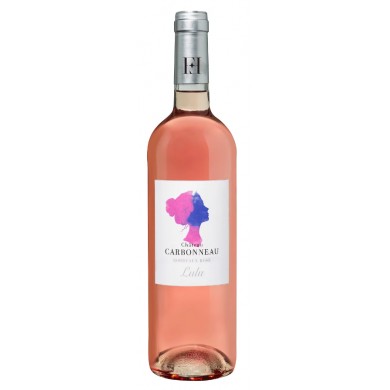
CloseLulu rosé from Château Carbonneau is a light, fresh rosé, digestible and gourmet. The ideal companion for your summer meals.
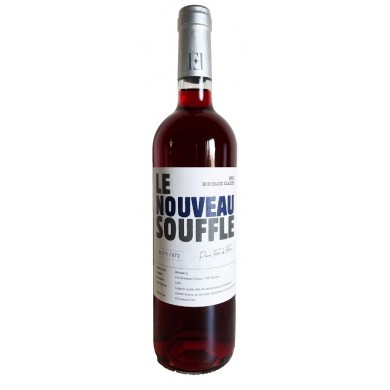
CloseNouveau Souffle du Château Carbonneau is a superb clairet: this organic wine develops intense red fruit notes. Superb with barbecue or charcuterie
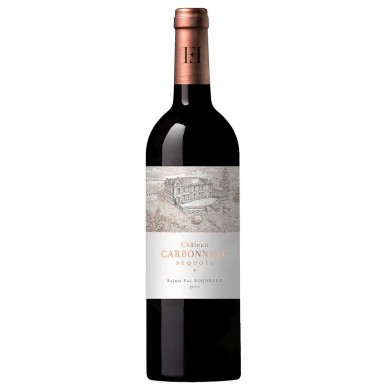
CloseSequoia du Château Carbonneau est un magnifique Sainte Foy Bordeaux taillé pour la garde dans ce millésime 2018. Ce vin ambitieux et boisé se décline sur des notes de fruits rouges et d'épices douces. A déguster sur un agneau de 7 heures.
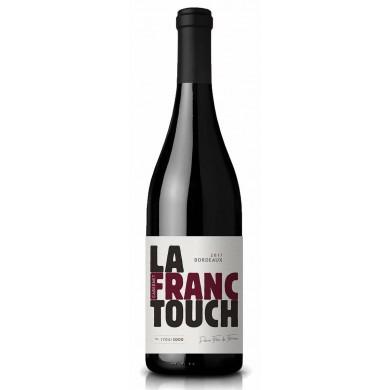
CloseFranc Touch is an atypical 100% Cabernet Franc Bordeaux. This fine success is complex, gourmand and rich. To date, we recommend decanting; for the patient, forget about it for 7 to 10 years in the cellar.
Close