

Sorry for the inconvenience.
Search again what you are looking for
The Chateauneuf-du-Pape PDO in a nutshell
Châteauneuf-du-Pape is unquestionably one of the most prestigious and emblematic appellations in the French wine world. Located in the southern part of the Rhône Valley, this wine-growing land steeped in history is inseparable from a passion for wine and a quest for the purest expression of a unique terroir. Known the world over for the power and richness of its red wines, Châteauneuf-du-Pape also harbors exceptional white wines, produced in more confidential quantities, but which are the object of a veritable craze among enlightened wine lovers. For several decades now, winegrowers in the appellation have been aware of environmental issues and have embarked on a profound transformation of their practices. Organic farming, biodynamic viticulture and respect for the living world are now emerging as the pillars of a new generation of Châteauneuf-du-Pape wines, more respectful of nature and faithful to the soul of the place.
The history of Châteauneuf-du-Pape is closely linked to that of the popes of Avignon in the 14th century, who chose this region as their summer residence and developed viticulture. The exceptional terroir of Châteauneuf-du-Pape, made up of rolled pebbles, red clay and sand, benefits from a dry, sunny Mediterranean climate, swept by the mistral, a powerful wind that cleanses the vines. This combination of natural factors has enabled the vineyards to flourish and produce wines of rare concentration.
.
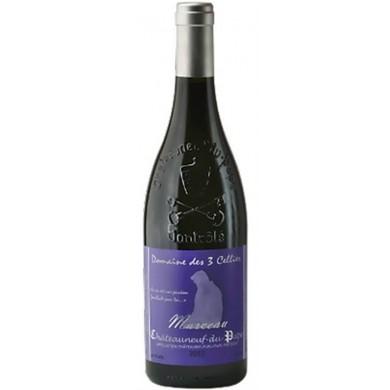
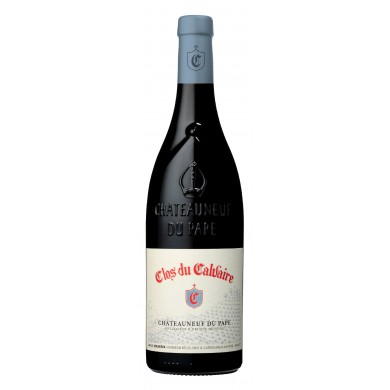
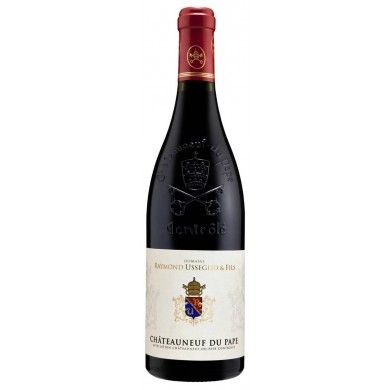
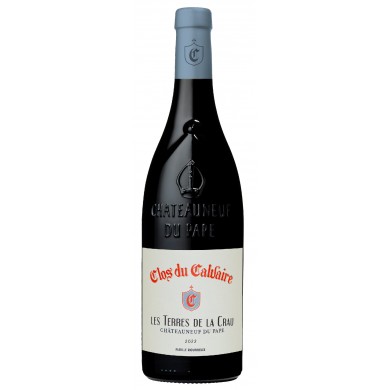
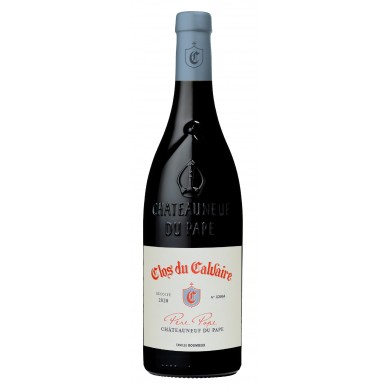
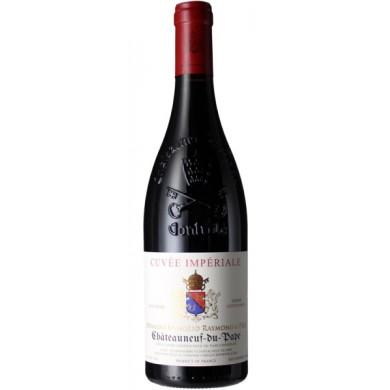
The red wines of Châteauneuf-du-Pape are the appellation's historic ambassadors. Blended mainly from Grenache Noir, Syrah and Mourvèdre, to which other traditional grape varieties may be added, they offer an impressively rich aromatic palette. Their color is often deep and dark, and their aromas evoke ripe black fruits, spices, leather, garrigue herbs and sometimes hints of truffle or tobacco after a few years' cellaring. On the palate, their structure is powerful, but always balanced by a great softness of tannins, especially when the grapes come from old vines cultivated with care.
.
These red wines naturally find their place at the table with meats of character. Grilled or roasted red meats suit them perfectly, whether it's a leg of lamb rubbed with Provence herbs, a rib of beef with coarse salt, or a rare duck breast. Game dishes with full-bodied sauces are also ideal companions, as are civets or long-simmered daubes. Provençal and Mediterranean cuisine, with its notes of garlic, thyme, rosemary or black olives, reinforces this natural harmony with Châteauneuf-du-Pape red wines. Finally, certain hard cheeses, such as an aged Comté or a mature sheep's milk tomme, will round off a meal on a warm, gourmet note.
.
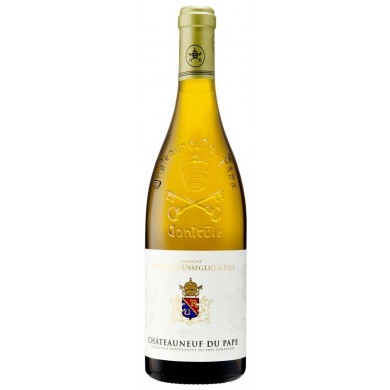
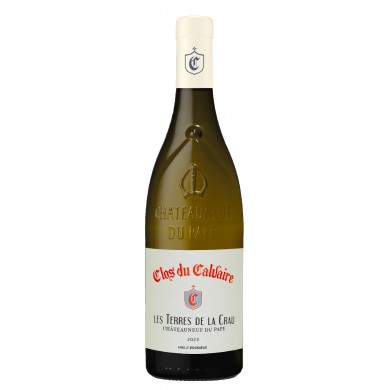
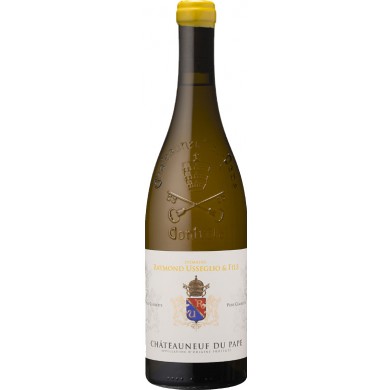
The rarer white wines of Châteauneuf-du-Pape represent around 7% of the appellation's total production. They result from subtle blends of roussanne, clairette, grenache blanc, bourboulenc, picpoul and other local grape varieties. These wines have a unique style, at once full-bodied, unctuous, mineral and aromatically fresh. Aromas of white flowers, white-fleshed fruit, almonds and sometimes honey give them a singular personality, far removed from the standards of more northerly whites.
.
At the table, Châteauneuf-du-Pape whites prove particularly versatile. They marry admirably with noble fish such as roasted turbot, grilled sea bass or just-snacked scallops. Poultry in sauce, such as poularde aux morilles or creamy veal sweetbreads, also work wonders with these full-bodied, well-structured wines. In a more Mediterranean vein, a grilled bass with tapenade or a fish tajine with mild spices are ideal pairings. Cheeses are not to be outdone, with a fine affinity for a lightly-aged banon or a young Comté.
Beyond the richness of its food and wine pairings, Châteauneuf-du-Pape today stands out for the growing commitment of its winegrowers to organic and biodynamic farming. Over 30% of the vineyards are now certified organic, and many estates are going even further by integrating biodynamic principles. This philosophy is based on a global vision of the viticultural ecosystem, where the vine is considered a living organism in permanent interaction with its environment.
These nature-friendly practices translate concretely into the absence of synthetic herbicides and pesticides, manual tilling of the soil, harvesting by hand, the use of organic compost and the integration of biodynamic plant-based preparations. Biodiversity is encouraged, and hedges, trees and natural auxiliaries are preserved or reintroduced. This demanding viticulture not only preserves soils and landscapes, but also strengthens the identity of the wines produced, closer to their original terroir.
Châteauneuf-du-Pape thus emerges as a model of balance between tradition and modernity, between respect for heritage and commitment to the future.
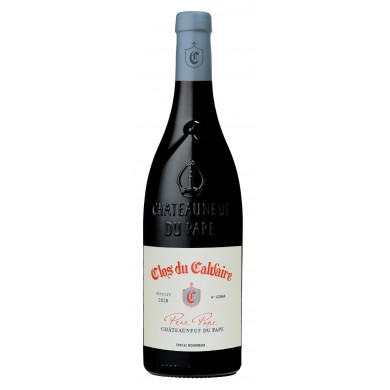
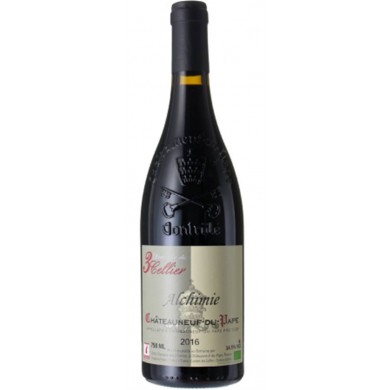
We offer organic wines from domaine Usseglio, from Clos du Caillou, from domaine Pierre Andre, Du Clos du Calvaire and du domaine des 3 Cellier.
Search again what you are looking for