
 close
close

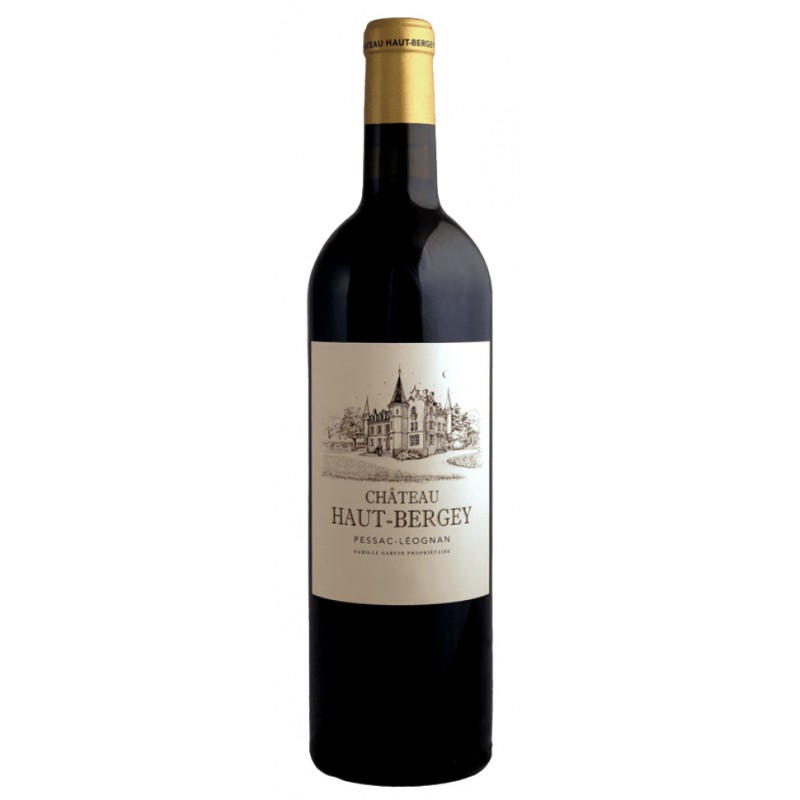
The silky, sapid material offers moderate intensity but displays very nice relief, a fine, alert texture. Above-average freshness enlivens the finish.
RVF : 91-93
Château Haut-Bergey was founded in the 15th century in the heart of the Pessac-Léognan appellation, under the name “Maison Noble de Pontey.” The vineyard reached its maximum size of nearly 100 hectares in the 18th century, before undergoing a long decline that explains its absence from the 1855 classification despite the quality of its terroir. It wasn’t until 1991 that the estate truly experienced a renaissance, when Sylviane Garcin-Cathiard—sister of Daniel Cathiard, owner of Château Smith Haut-Lafitte—became its owner with the ambition of restoring it to its former glory. Under her leadership, the vineyard expanded from 18 to 43 hectares over two decades, guided in particular by the renowned oenologist Michel Rolland.
In 2007, her son Paul Garcin joined the venture and spearheaded a radical transformation: passionate about the idea that biodynamics allows wines to better express their terroir, he obtained organic certification in 2010 and Demeter certification in 2012, making Haut-Bergey the very first estate in Pessac-Léognan to be certified biodynamic—even before the Grands Crus Classés. He also expanded his experiments in the cellar, gradually moving away from traditional oak barrels in favor of large casks, amphorae, and concrete eggs, to allow for spontaneous fermentation with native yeasts.
The 40-hectare vineyard, facing south-southwest, grows Cabernet Sauvignon, Merlot, Cabernet Franc, Petit Verdot, and Malbec for reds, and Sauvignon Blanc and Sémillon for whites—an unclassified grand cru that today rivals the appellation’s biggest names.
Data sheet
Cabernet Sauvignon, Merlot, Cabernet Franc, Petit Verdot, Malbec
Lamb, Grilled Flank Steak
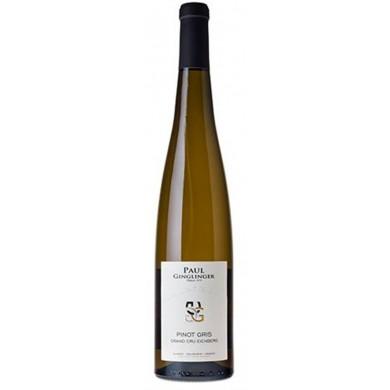
Grand Cru Eichberg shines in its versatility, in the sense that all the noble grape varieties can express their complexity and generosity. This Pinot Gris draws on its great power, enhanced by the cru's characteristic rigor. This wine expresses an imposing body while maintaining a straight, precise structure.14.6g residual sugar
Close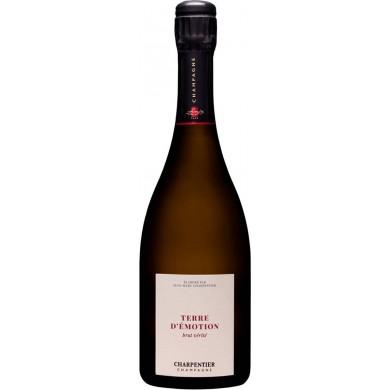
Terre d "émotion Brut Vérité des Champagne Charpentier boasts a brilliant yellow-gold color, illuminated by green-gold highlights. Initially brioche-scented with hawthorn and violets, the nose is very fine and gourmand. The terroir enhances the blend, and the tangerine, white pepper and limestone minerality are very persistent and harmonious.
Close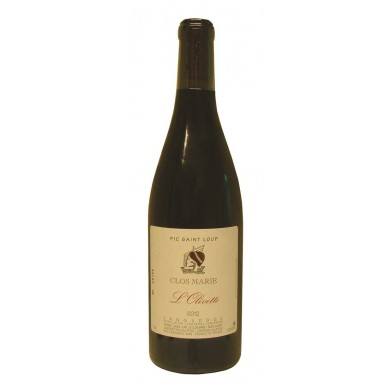
L'olivette du Clos Marie is a very pretty Pic Saint Loup. The wine is elegant; it develops on notes of reglisses, black fruits. The wine deserves a few months' cellaring to soften and refine its tannins. A benchmark AOC Pic Saint Loup.
RVF : 93/100
Close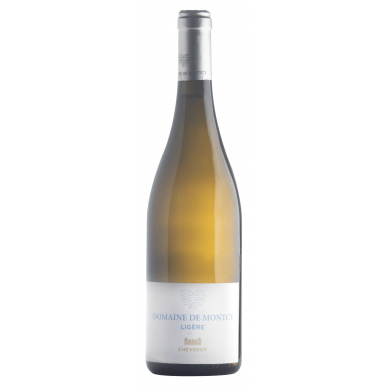
This Cheverny from Domaine de Montcy is a fresh, cheerful organic dry white made from Sauvignon and Chardonnay grapes. Ideal as an aperitif or with seafood.
Close
The silky, sapid material offers moderate intensity but displays very nice relief, a fine, alert texture. Above-average freshness enlivens the finish.
RVF : 91-93